Government Policies Affecting

Government Policies Affecting Entrepreneurship in Pakistan (2025)

Entrepreneurship in Pakistan is undergoing a significant transformation in 2025, driven by shifting government policies that influence startups, SMEs, and digital ventures. At BusinessTrends, we believe that understanding these regulatory changes is essential for entrepreneurs aiming to thrive in today’s competitive market. Whether you’re launching a tech-based service or expanding a small enterprise, staying informed can be the key to long-term success.

Explore how recent reforms, tax incentives, and digital policies are shaping Pakistan’s business environment.

Tax Reforms and Startup Incentives

In 2025, the Federal Board of Revenue (FBR) introduced a revised tax structure offering 5-year tax holidays for registered startups, particularly in the IT and services sectors. Eligible businesses must register with the Pakistan Software Export Board (PSEB) and implement digital financial practices.

Learn more about how taxation affects small businesses.

Digitalisation and SECP Business Reforms

The Securities and Exchange Commission of Pakistan (SECP) has simplified business registration with complete digitisation, enabling same-day company incorporation. Integration with NADRA and FBR streamlines verification, while digital signatures and e-certificates are now standard.

Please read our detailed guide on business registration in Pakistan.

SME Financing: SBP and Kamyab Jawan Program

The State Bank of Pakistan (SBP) has instructed banks to allocate at least 7% of their loan portfolios to SMEs, making financing more accessible. The Kamyab Jawan Program continues to support youth-led startups with low-interest, collateral-free loans.

Explore SME financing options for your business journey.

E-Commerce and Digital Trade Regulations

Pakistan’s E-Commerce Policy in 2025 includes several key updates:

  • Mandatory digital tax registration for online sellers
  • Stronger consumer protection laws
  • Simplified procedures for international e-commerce

For a trusted global perspective, see the World Bank’s SME Policy Guidelines, used by governments worldwide for regulatory benchmarking.

Challenges Entrepreneurs Still Face

Despite policy improvements, challenges remain:

  • Inconsistent implementation across provinces
  • Limited awareness of support programs
  • Regulatory uncertainty for digital payments
  • Infrastructure gaps in underserved regions

Our entrepreneurship consulting services are tailored to help you navigate these hurdles effectively.

Final Thoughts

While Pakistan’s 2025 policies are creating opportunities, entrepreneurs must stay proactive and informed. From tax relief to digital tools and funding programs, this is a year of potential — but strategy matters.

Keep up with the latest government policy updates or explore expert insights on the BusinessTrends home page.

Frequently Asked Questions (FAQs)

Q1: What are the major government policies affecting entrepreneurship in Pakistan in 2025?

A: Key policies include tax exemptions for startups, SME loan quotas by SBP, digital company registration via SECP, and updated e-commerce regulations.

Q2: Are there any tax incentives for startups in Pakistan in 2025?

A: Yes, startups registered with the Pakistan Software Export Board (PSEB) may qualify for a 5-year tax holiday and other financial benefits.

Q3: How has the SECP made it easier to register a business in 2025?

A: SECP has digitized the registration process, enabling same-day company formation and integrated identity verification through NADRA and FBR.

Q4: What financing options are available for entrepreneurs in Pakistan?

A: Entrepreneurs can access low-interest loans through the Kamyab Jawan Program and commercial banks, which are now required to dedicate 7% of their loan portfolio to SMEs.

Q5: How do digital policies affect e-commerce businesses in Pakistan?

A: The updated E-Commerce Policy includes mandatory digital tax filing, stronger consumer protection, and easier cross-border trade regulations.

Q6: Where can I get help understanding these policies?

A: You can explore detailed policy insights and get expert guidance through BusinessTrends consulting services.

Q7: What is the impact of government policy changes on SMEs in 2025?

A: Government policies in 2025 provide better financing options, digital registration, and tax relief for SMEs, but some challenges in policy implementation still exist.

Q8: Who qualifies for startup tax exemptions in Pakistan?

A: Startups registered under PSEB, operating in tech or digital services, and meeting documentation and transparency criteria can qualify for tax exemptions.

India Stock Market Falls

Details about the India Stock Market Falls

Mid U.S. Tariff Announcement – August 1, 2025

🔺 Market Opens on a Cautious Note

On August 1, 2025, Indian stock markets opened slightly lower as the Nifty 50 fell approximately 0.14% to 24,734.9 and the BSE Sensex declined by a similar margin to 81,074.41 early in the trading session. Out of 16 major market sectors, 12 opened in the red, while mid- and small-cap segments remained essentially flat.

Understanding the reasons behind the India Stock Market Falls can provide valuable insights for investors.

As we analyze the ongoing trends, it’s essential to keep an eye on the factors contributing to the decline in the India Stock Market.

📉 Why the Weak Start?

The opening dip comes in response to U.S. President Donald Trump’s announcement of fresh tariffs, including a 25% duty on imports from India. This move sparked global market volatility and sent a clear warning signal to export-heavy economies like India. Moneycontrol+7Reuters+7The Economic Times+7.

🧠 Early Versus Late Sentiment

Despite early losses reaching as high as 0.9% on Thursday, both indices recovered to close about 0.4% lower ahead of the open, signaling that investors viewed the tariff move more as negotiation leverage than a permanent shift. Senatorial remarks and market commentary emphasized ongoing trade dialogue between the two countries. Reuters+1Reuters+1.

🔍 Technical Indicators & Futures Insight

GIFT Nifty futures traded around 24,732.5, suggesting a muted opening and further downward pressure. Analysts noted that market volatility (India VIX) rose modestly—up 3% to 11.54—keeping below panic levels and indicating the absence of broad-based liquidations: Reuters, Moneycontrol, ReutersMoneycontrol, The Economic Times.

💰 Foreign Flows & Currency Movement

India Stock Market Falls. Foreign Portfolio Investors (FPIs) continued net selling, with ₹55.89 billion in equities sold on Thursday, marking a ninth straight session of outflows. This persistent trend is weighing on investor confidence and indirectly pressuring the rupee. As of the opening, the exchange rate stood at ₹87.57 per USD.

🏢 Sector Watches & Stock Highlights

Sun Pharma, Infosys, Tata Steel, and L&T were among early decliners, while companies in consumer staples like HUL and ITC opened slightly positive. Expensive or risk-averse sectors showed caution. The Economic Times HDFC Sky.

📌 Key Takeaways for Traders

  • Short-term outlook: Range-bound with support for Nifty around 24,500–24,600, potential resistance near 24,900.

  • Market psyche: Traders are pricing in tariff talks as pressure tactics and expecting possible renegotiation to lower levels (15–20% range).

  • Watch for U.S. jobs data and global Fed cues for directional clarity. Moneycontroltheguardian.com+8The Economic Times+8Reuters+8.


📊 Quick Summary

MetricValue / DirectionInsight
Nifty 50~24,735 (–0.14%)Mild weakness, trading below previous close
Sensex~81,074 (–0.14%)Similar cautious momentum
Futures (GIFT Nifty)~24,732Suggests lower open
VIX (Volatility Index)~11.5 (↑3%)Slight uptick, but no panic
Foreign Flows–₹55.9 billion (FPIs)Continued outflows signaling caution
Support/ResistanceNifty: 24,500–24,900Trading range determined by supply/demand band

💡 Final Thoughts

While markets opened on a cautious note due to fresh U.S. tariff threats, investor sentiment remains tempered by the belief that these measures could be tactical rather than permanent. India Stock Market Falls Analysts expect negotiations to continue and outcomes to soften tariff extremes—but until clarity emerges, volatility is expected to persist.

Stay tuned for updates on how negotiations unfold and sector-specific reactions over the session.

Frequently Asked Questions

Why did the India stock market fall in August 2025?

The India stock market fell sharply due to U.S. President Donald Trump’s announcement of 25% tariffs on Indian goods starting August 1, 2025. The Sensex and Nifty saw immediate declines amid fears of disrupted exports and global trade tensions.

2. How much did Sensex and Nifty drop?

On August 1, 2025, the Sensex fell by over 500 points and the Nifty 50 dropped by nearly 0.66% as investors reacted to the trade penalties. This event contributed to widespread headlines like “India Stock Market Falls on Tariff Shocks.”

3. What sectors were most affected by the India stock market fall?

The India stock market fall hit export-heavy sectors like:

  • Pharmaceuticals

  • Electronics & mobile manufacturing

  • Shrimp, textile, and jewelry exporters
    These industries saw stock prices drop by 3–7% due to tariff pressure and weaker U.S. demand projections.

4. Is this fall in the India stock market a short-term reaction?

Yes, analysts consider the India stock market fall as a short-term correction. However, if the U.S. maintains tariffs long-term, it could lead to sustained weakness in export-led sectors.

5. Could a trade deal reverse the India stock market decline?

Possibly. Ongoing trade talks between the U.S. and India might result in a mini-deal, which could ease market fears. A resolution may help reverse some of the recent India stock market fall.

6. Which sectors remained resilient despite the market decline?

Sectors like IT and digital services remained relatively unaffected by the tariffs, providing some stability during the India stock market fall.

7. How are Indian exporters responding to U.S. tariffs?

To mitigate the impact, companies are:

  • Exploring alternate markets

  • Shifting operations to the U.S. (e.g., Aurobindo Pharma)

  • Cutting quarterly earnings forecasts due to rising duties
    These moves aim to recover from the India stock market fall triggered by the tariff announcement.

8. What is the outlook for investors after this stock market dip?

Market experts recommend cautious optimism. The India stock market fall has opened potential value-buying opportunities, especially if diplomatic solutions are reached before Q4 2025.

Pakistan‑US Trade & Oil Exploration

Pakistan‑US Trade & Oil Exploration Agreement 2025_Full Updates

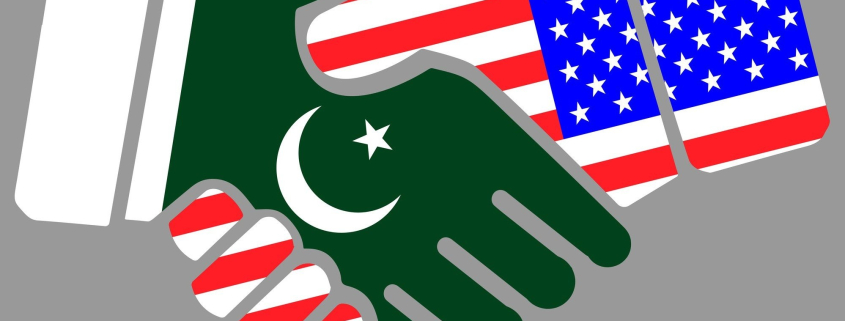
In a historic development, Pakistan and the United States have entered into a comprehensive trade and energy partnership that includes oil exploration, export tariff relief, and strategic economic cooperationFormer U.S. President Donald Trump publicly acknowledged the agreement and marked a significant shift in global energy and trade dynamics involving South Asia.

🛢️ Key Highlights of the Agreement:

1. Strategic Energy Collaboration

The cornerstone of this agreement revolves around the exploration and development of Pakistan’s oil reserves. President Trump described it as a deal to “help Pakistan unlock its massive oil reserves”. Although experts remain cautious about the size of these reserves, the commitment from the U.S. has sparked national and international interest.

2. Reduced Tariffs on Pakistani Exports

In addition to energy, the U.S. has agreed to reduce import tariffs on various Pakistani products — a significant breakthrough for local exporters. This move is expected to boost Pakistan’s textile, IT, and manufacturing exports, which have long faced competitive challenges in the U.S. market.

3. U.S. Support for Broader Sectors

Besides oil, the trade pact also includes collaboration in mining, information technology (IT), and even cryptocurrency regulation, making this not just an oil deal, but a wider economic modernisation initiative.

📊 What This Means for Pakistan

✅ Economic Boost

  • Increased foreign investment and job creation in energy and tech sectors.

  • Strengthened trade relationship with the U.S., improving global market access.

  • Opening of new trade doors for non-oil sectors like textiles, e-commerce, and software exports.

⚠️ Ground Realities

  • Despite the hype, Pakistan’s proven oil reserves are currently estimated between 234 and 353 million barrels, ranking it 50th globally.

  • Domestic oil production remains modest, and the actual commercial viability of these “massive reserves” is still unconfirmed.

  • Energy analysts suggest that the deal may carry geopolitical motives — a U.S. pivot toward Pakistan as a counterweight to China’s regional influence and to place pressure on India.

📰 What the Experts Are Saying

Some Indian politicians and energy experts have mocked the oil deal as overhyped. Shashi Tharoor, a senior Indian parliamentarian, remarked that “They may have some illusions” and wished Pakistan luck in finding these reserves. This shows how the deal has sparked not just economic interest, but political and strategic debate across South Asia.

🛢️ First U.S. Oil Shipment to Pakistan Confirmed

In a practical move following the deal, Cnergyico, Pakistan’s largest private refiner, confirmed the import of 1 million barrels of U.S. West Texas Intermediate (WTI) crude oil, expected in October 2025. This will be Pakistan’s first-ever shipment of U.S. crude oil, and if successful, could lead to regular monthly imports.

📌 Final Thoughts

This trade and oil-exploration agreement between Pakistan and the U.S. is a game-changing development that brings hope for economic growth, energy independence, and a more substantial presence in global markets. However, the actual impact will depend on how well Pakistan executes on exploration, refining, and infrastructure development — and whether the so-called “massive reserves” are commercially viable.

Frequently Asked Questions (FAQs)

1. What is the Pakistan‑US trade agreement 2025?

The Pakistan‑US trade agreement 2025 is a landmark deal signed in July 2025, focusing on tariff reductions, joint economic development, and energy cooperation—especially in the field of oil exploration.

2. What does the oil exploration agreement between Pakistan and the USA include?

The oil exploration agreement enables joint drilling, resource mapping, and investment in Pakistan’s untapped oil reserves. U.S. companies will have strategic access to exploration zones under this deal.

3. Why is this being called a historic trade deal between Pakistan and the USA?

This is considered a historic trade deal between Pakistan and the USA because it not only enhances trade relations but also opens long-term energy collaboration. It’s the first agreement to combine tariff relief and oil exploration partnerships in one framework.

4. How will the Pakistan US oil reserves partnership impact the economy?

The Pakistan US oil reserves partnership is expected to:

  • Attract foreign direct investment (FDI)

  • Reduce energy imports

  • Boost domestic oil production
    This could significantly improve Pakistan’s energy security and economic stability.

5. What sectors benefit most from the Pakistan‑US trade agreement 2025?

Besides oil and gas, key beneficiaries of the Pakistan‑US trade agreement 2025 include:

  • Textiles and garments

  • Agricultural products

  • IT services and software exports

6. Are there any environmental concerns with the oil exploration agreement?

Yes. While the oil exploration agreement offers economic gains, environmental groups have called for strict safeguards to prevent ecological damage during offshore and inland drilling projects.

7. Will this agreement lead to more U.S. investment in Pakistan?

Absolutely. The historic trade deal between Pakistan and the USA is structured to encourage long-term U.S. investment in Pakistan’s energy, infrastructure, and technology sectors, starting with joint ventures in oil exploration.

🔁 Stay Updated

Follow our blog for the latest news and updates on this developing story, including expert analysis, project milestones, and real-time trade statistics.

digital marketing for small businesses in PakistanLeverage Digital Marketing for Small Businesses in Pakistan

In today’s fast-paced digital era, small businesses in Pakistan must harness the power of digital marketing to stay competitive and grow. Whether you’re running a local clothing boutique or a home-based online store, digital marketing can help you attract the right customers without breaking the bank.

At Business Trends Pakistan, we guide startups, entrepreneurs, and small enterprises toward scalable, budget-friendly marketing strategies. Let’s explore how you can use digital marketing effectively for your small business.

Why Digital Marketing is Crucial for Small Businesses

Digital marketing enables small businesses to:

  • Build brand awareness
  • Reach targeted audiences
  • Generate qualified leads
  • Increase conversions and ROI
  • Compete with larger companies on a level playing field

It’s cost-effective, measurable, and allows personalized communication. Most importantly, it connects you directly with your ideal customers where they spend their time—online.

Create a Strong Online Presence

Your website is your digital storefront. It must be mobile-friendly, fast, and SEO-optimized. Use clear CTAs (calls to action), compelling visuals, and an easy-to-navigate structure.

📌 Tip: Invest in a well-designed website that reflects your brand. If you need help, explore our website development services for small businesses.

Use SEO to Increase Visibility

Search Engine Optimization (SEO) is a must for small businesses. It helps your website rank higher in Google, leading to more organic traffic.

Key SEO Tips:

  • Use relevant keywords like “affordable clothing in Lahore”
  • Add meta titles and descriptions
  • Optimize images and site speed
  • Post regular blogs using keywords like “digital marketing in Pakistan”, “SEO for small businesses”, etc.

Want to learn more? Visit our detailed guide on digital marketing in Karachi.

Leverage Social Media Marketing

Small businesses can build a community and drive engagement through platforms like Facebook, Instagram, and TikTok.

Actionable Ideas:

  • Post customer testimonials
  • Use reels and stories for behind-the-scenes looks
  • Run local promotions and giveaways
  • Use Facebook Ads with geographic targeting

💡 Read more about how social media trends are shaping businesses on our blog about growing restaurant trends in India.

Start a Blog to Educate and Attract Customers

Blogging boosts SEO and builds authority. Share tips, how-tos, and customer success stories related to your niche.

For instance, a home-based cake business can write posts like:

  • “Top 5 Cake Designs for Birthdays in Lahore”
  • “How to Choose the Right Flavor for Your Event”

Consistency is key. Use keywords naturally and link internally to related pages.

Use Google My Business for Local Reach

If your business serves a specific location, Google My Business (GMB) is essential. It boosts your local SEO, helps customers find you on Google Maps, and shows your reviews upfront.

Make sure your business name, address, phone number, and hours are up-to-date. Encourage satisfied customers to leave reviews regularly.

Run Targeted Ads on a Budget

With limited budgets, small businesses should focus on PPC (pay-per-click) ads. Platforms like Google Ads and Facebook Ads offer precise targeting by location, age, interest, and behavior.

Need help launching your first campaign? Check our PPC training course for beginners.

Email Marketing Still Works

Build a mailing list and send regular updates, promotions, or newsletters. Platforms like Mailchimp and Sender are free for small businesses starting.

Keep your emails short, valuable, and always include a CTA—like visiting your website or using a discount code.

FAQs – Digital Marketing for Small Businesses in Pakistan

Q1: Is digital marketing expensive for small businesses?

No. Many tools and strategies, like SEO, content marketing, and social media, can be done at low or no cost.

Q2: How long does it take to see results from digital marketing?

SEO takes time (3-6 months), while paid ads and social media may show quicker results.

Q3: What is the best platform to promote a local business in Pakistan?

Facebook and Google My Business are excellent for local Visibility and engagement.

Q4: Can I do digital marketing myself, or should I hire an expert?

You can start on your own, especially with learning platforms and digital marketing training, but hiring a professional speeds up the process.

Q5: How long does it take to see digital marketing results?

SEO results may take 3 to 6 months, while paid ads and social media campaigns can show engagement and conversions in a few days to weeks.


Q6. Can I handle digital marketing myself or should I hire someone?

Yes, you can start on your own with basic knowledge. However, taking a Digital Marketing Course in Pakistan or hiring a professional helps achieve faster and better results.


Q7. What are some effective strategies for local marketing online?

  • Use Google My Business

  • Run geo-targeted Facebook ads

  • Post regularly on Instagram

  • Create blog content with local keywords

Final Thoughts

Digital marketing is no longer optional—it’s essential for the growth of small businesses in Pakistan. From creating a user-friendly website to optimizing for search engines and engaging on social media, every small step builds a stronger brand online.

If you’re ready to take your business to the next level, explore more helpful articles and services at Business Trends Pakistan.

Sustainable business practices for Startups in Pakistan

Sustainable Business Practices for Startups in Pakistan

Sustainability is no longer just a buzzword; it is a fundamental principle that guides our actions and decisions. It’s a necessity—especially for startups in Pakistan aiming to survive in a competitive and environmentally sensitive market. Whether you’re launching a tech company in Karachi or a fashion brand in Lahore, building a business that minimises environmental impact can give you a potent edge.

This blog will walk you through actionable, realistic, and scalable sustainable business practices every Pakistani startup can implement—without breaking the bank.

Why Sustainability Matters for Startups in Pakistan

Startups face intense pressure to grow quickly, but rapid growth without a sustainability strategy leads to high long-term costs, loss of brand reputation, and missed funding opportunities. As global and local consumers become more eco-conscious, companies that ignore sustainability risk becoming irrelevant.

On the other hand, sustainable businesses:

  • Save money through energy efficiency
  • Attract eco-aware customers
  • Open doors to green investment
  • Future-proof their operations against regulatory changes

Top Sustainable Practices for Startups in Pakistan

1. Go Digital First

One of the most straightforward steps is to reduce paper usage by adopting digital solutions. From accounting to marketing, digital tools can help reduce your carbon footprint and operating costs.

If you’re just starting, check out our guide on Digital Marketing Agency Services in Karachi to promote your brand online with zero paper waste.

2. Choose Local and Ethical Suppliers

Avoid importing materials or services when a local, ethical alternative is available. This reduces emissions from transportation and supports the local economy.

Tip: Always verify your suppliers’ labour standards and environmental policies before onboarding them.

3. Use Renewable or Efficient Energy

Switching to solar panels or using energy-efficient appliances can lower monthly utility bills and reduce emissions. Even small efforts, such as installing LED lighting or turning off unused equipment, make a difference.

For tech-based startups, consider energy-efficient hosting solutions. Discover affordable web hosting services in Pakistan that support a greener digital footprint.

4. Minimise Waste in Product Design

Adopt lean manufacturing or product development models. Design products or services that reduce waste in production and packaging.

For example:

  • Offer refillable packaging
  • Use recyclable materials
  • Design products for longer lifespans

5. Promote Remote Work Culture

If your team can work remotely, let them. You’ll reduce office emissions, save energy, and lower your carbon footprint related to travel.

Looking to establish a strong online presence for your remote team? Explore our Website Development Services to create a fully functional virtual brand headquarters.

6. Recycle and Reuse Office Materials

Encourage the reuse of stationery and office supplies. Establish a system for recycling paper, plastic, and electronics.

Additionally, partner with recycling organisations for proper e-waste management—an often ignored yet growing issue in Pakistan.

7. Educate Your Team

Sustainability must be part of your internal culture. Organise monthly training sessions to keep your team aligned with your eco-initiatives.

Utilise visual reminders in your workspace and reward sustainable behaviours to foster long-term habits.

How Sustainable Practices Help Startup Branding

Startups that lead with values often attract loyal customers. By practising sustainability, you’re not just doing good—you’re telling a story. It demonstrates to investors, partners, and consumers that you’re committed to the long term.

Consider promoting your sustainability initiatives through AI-powered content marketing and social channels. Let the world know how your business is making a difference.

Final Thoughts

Building a sustainable startup in Pakistan doesn’t mean compromising on growth. It means being innovative, efficient, and socially responsible from the start. From reducing waste to switching to clean energy and promoting remote work, there are countless ways to go green—without going broke.

Sustainability isn’t just for big corporations. It’s the future of all successful startups.

FAQs

1. What is a sustainable startup?

A sustainable startup integrates eco-friendly, ethical, and resource-efficient practices into its operations, ensuring long-term business and environmental health.

2. Can small startups afford to be sustainable?

Yes! Many sustainable practices, such as going paperless, working remotely, or using energy-efficient devices, actually save money in the long run.

3. How can startups in Pakistan reduce their carbon footprint?

By using local suppliers, reducing paper use, switching to solar energy, minimising plastic, and encouraging remote work.

4. Why is sustainability important for branding?

Consumers prefer brands that align with their values. A strong sustainability message improves customer trust and can attract environmentally aware investors.

5. Where can I learn more about sustainable growth?

Discover our comprehensive services, including Web Hosting and Digital Marketing, to help your startup establish a strong online presence efficiently.

digital tools

Impact of AI on Business Operations in Pakistan

Explore the Impact of AI on Business Operations in Pakistan

Artificial Intelligence (AI) is no longer a futuristic buzzword — it’s reshaping how businesses operate around the globe. In Pakistan, enterprises across fintech, agriculture, manufacturing, retail, and public services are increasingly leveraging AI to boost efficiency, lower costs, improve customer service, and drive new growth. Supported by government initiatives and a growing tech ecosystem, AI is becoming a central force in Pakistan’s commercial transformation. 

1. Government Support & Policy Momentum

Pakistan has promoted AI adoption through several institutional and policy-based initiatives:

  • PIAIC (Presidential Initiative for Artificial Intelligence and Computing) has driven AI training, education, and industry collaborations nationwide since 2018.Wikipedia+1AI for Pakistan+1
  • The National Center for Artificial Intelligence (NCAI) serves as a hub for AI research, innovation, and business acceleration for Pakistan.pk.
  • Under the “Digital Pakistan Policy” and the multi-year Uraan Pakistan 2024–29 economic transformation plan, public-private partnerships aim to integrate AI more widely in governance, finance, and trade. Dawn+4AI for Pakistan+4Wikipedia+4.
  • The State Bank of Pakistan (SBP) is finalizing guidelines for the responsible use of AI in banking to ensure trust, transparency, and consumer protection. Surveys indicate that approximately half of the regulated financial institutions in Pakistan have begun utilizing AI tools, including virtual assistants, fraud detection, robotics, and process automation.Dawn+1Dawn+1

These frameworks lay the foundation for businesses to adopt AI confidently and responsibly.

2. Benefits of AI Adoption for Pakistani Businesses

Automation & Operational Efficiency

AI automates repetitive, low-value tasks, including customer inquiries, invoice processing, inventory tracking, and loan applications. This saves time, reduces human error, and cuts staffing costs. Employees can then focus on creative or strategic tasks.EbrainEvolve Publication.

Data‑Driven Insights for Smart Decisions

AI analytics tools transform raw data into actionable insights, enabling the prediction of sales trends, effective inventory management, optimized pricing, and enhanced procurement. These capabilities empower businesses in retail, agriculture, telecom, and services to make informed decisions.

Superior Customer Experience

Chatbots, virtual assistants, and personalization engines enable 24/7 customer service, faster responses, and tailored product recommendations, thereby boosting customer satisfaction, retention, and sales. Telecom and e‑commerce firms (e.g., Jazz, Daraz) are already leveraging these tools.

Supply Chain & Inventory Optimization

AI helps forecast demand accurately, manage warehouse stock, minimize waste, and optimize delivery schedules. In retail and manufacturing, this reduces costs while improving service levels. Ebrainemeraldsmedia.com

Fraud Detection & Risk Management

Banks and fintechs utilize machine learning to identify unusual transaction patterns, automate credit assessments, and flag risks in real-time. This strengthens financial security and trustworthiness. Ebrain Evolve Publication, Dawn.

Improved Employee Productivity

AI empowers teams with automated workflows, intelligent assistants, and AI-driven task allocation, allowing staff to focus on higher‑impact work. AI‑based HR tools streamline recruitment, onboarding, and performance tracking.Ebrainadvobytes.com

3. Real‑World Use Cases in Pakistan

Several Pakistani enterprises are already reaping AI’s benefits:

  • Engro Foods utilizes AI to enhance manufacturing efficiency and reduce waste.
  • Jazz employs AI for personalized marketing and service automation.
  • Telenor Pakistan has implemented fraud detection systems using AI.
  • HBL automates loan processing and risk evaluation with AI tools.
  • SadaPay offers personalized financial services powered by AI: Reuters, Evolve Publication, and AI for Pakistan.

Emerging startups incubated by National Incubation Centers are pioneering predictive supply-chain platforms, AI-powered agricultural tools, automated fintech services, and more.

4. Sector‑Wise Impact

SectorAI Use Cases

Agriculture Precision farming: pest detection, weather prediction, irrigation optimization

Healthcare AI-driven diagnostics, patient flow prediction, and telemedicine in remote areas

Manufacturing Smart factories, machine vision, predictive maintenance

Financial Services Fraud detection, credit scoring, virtual agents, risk analytics

Education: Adaptive learning, AI grading, virtual classrooms

Public Sector NADRA’s Civil Registration AI, Pakistan Single Window trade automation, Shark Tank, and AI for Pakistan, 55. Challenges & Growth Enablers

Major Challenges

  • Infrastructure Gaps: Limited AI-ready data centers, high electricity costs, and inconsistent internet connectivity hinder scaling up. Business Recorder+2invest2innovate.com+2emeraldsmedia.com+2
  • Talent Shortage: The demand for AI specialists far outpaces the current supply. Universities and coding boot camps are building capacity—but progress is still catching up.LinkedInAI for Pakistan
  • High Costs & Regulatory Bottlenecks: Import duties on GPUs and high-performance hardware, along with unclear AI policies, raise costs and deter investment. Business Recorder
  • Ethical & Data Privacy Concerns: Businesses must ensure responsible AI usage—avoiding bias, safeguarding user data, and preserving transparency.Investopediaadvobytes.com

Enablers & Growth Drivers

  • Proposal for duty-free import of AI equipment, subsidised electricity tariffs, and tech-friendly zones to attract investors and startups. Business Recorder
  • Government push for public-private collaboration, AI Skill Development via PIAIC, National Incubation Centers, and partnerships with global learning platforms.
  • Innovative initiatives, such as allocating 2,000 MW of surplus electricity to AI data centers, aim to create infrastructure and attract global investment.

Conclusion

AI is no longer optional—it is essential for Pakistani businesses aiming for efficiency, innovation, and global relevance. From retail to manufacturing, finance to farming, AI is unlocking new sources of value. Though challenges remain, the combination of rising infrastructure, growing talent pools, startup momentum, and enabling policies creates a fertile ground for rapid AI-driven transformation.

By embracing AI thoughtfully and strategically, Pakistan’s firms—especially SMEs—can improve operations, elevate customer experiences, and compete on the global stage.

Frequently Asked Questions (FAQs)

Q1: What is the current size of Pakistan’s AI market?

Pakistan’s AI market is projected to reach between US$861 million and nearly US$950 million in 2025, with expected growth to around US$3.2–3.5 billion by 2030–2031 at a CAGR of roughly 26–28%.com+2Evolve Publication+2Ebrain+2Statista.

Q2: Which Pakistani industries are most advanced in AI adoption?

Financial services (including innovative banking and fraud detection), telecoms, e-commerce, agriculture, manufacturing, and healthcare sectors are among the most advanced adopters. Evolve PublicationAI for Pakistan.

Q3: How is Pakistan addressing power and infrastructure problems?

The government has allocated 2,000 MW of surplus generation capacity specifically to AI data centers. Policies propose subsidised electricity rates, duty-free import on AI hardware, and targeted Smart Tech Zones. Reuters Business Recorder.

Q4: What obstacles are SMBs facing in AI adoption?

Small and medium businesses often lack digital infrastructure, AI-skilled staff, and budget for implementation. Cloud-based AI services and local incubation programs are helping to ease these barriers. Evolve Publications (sharktankpakistan.pk).

Q5: How can businesses start integrating AI with limited resources?

Start with cloud-based AI tools (chatbots, analytics dashboards). Partner with local AI service providers or incubators (via PIAIC or National Incubation Centers). Focus on quick-win areas, such as customer support automation or sales forecasting. Evolve PublicationEbrain.

By deploying AI strategically in business operations—whether in customer service, data analytics, inventory management, finance, or HR—Pakistani enterprises can harness productivity gains, cost savings, and a competitive advantage. With supportive government policies and a growing ecosystem of startups and incubators, the future is bright. As Pakistan moves toward becoming a regional AI hub, businesses that act now will be at the forefront of this transformation.

top emerging business trends in pakistan

Top Emerging Business Trends in Pakistan for 2025


Pakistan’s business environment is undergoing rapid evolution. As we move towards 2025, several trends will shape industries, from technology to sustainability. Here are the key emerging
business trends to watch for.

E-commerce Growth

E-commerce in Pakistan is expected to continue growing at a rapid pace. With more people shopping online, businesses must adapt by creating easy-to-use online platforms. Consumers now expect convenience, fast delivery, and secure payment options. Companies that focus on these aspects will thrive, and small businesses can expand their reach beyond local areas through online platforms.

You may like More Informational Topics:

Digital marketing for small businesses, Impact of AI on business operations, Sustainable business practices for startups, Government policies affecting entrepreneurship, Future of e-commerce in Pakistan, How to start a tech startup

Renewable Energy Sector

As energy issues persist in Pakistan, the renewable energy sector is gaining momentum. By 2025, an increasing number of businesses will focus on solar, wind, and hydroelectric energy solutions. Entrepreneurs can enter the market by offering energy-efficient products and services. Sustainability will not just be a trend but a necessity for businesses looking to reduce energy costs and appeal to environmentally conscious consumers.

Artificial Intelligence (AI) Integration

AI is transforming industries globally, and Pakistan is not far behind. By 2025, an increasing number of businesses will utilize AI to automate tasks, enhance customer service, and analyze data more efficiently. AI tools, such as chatbots and predictive analytics, will become increasingly common in sectors like retail, healthcare, and finance. AI will help businesses make more informed decisions and enhance efficiency, benefiting companies of all sizes.

Freelancing and Remote Work

Freelancing will continue to be a major part of Pakistan’s economy. More people are opting for flexible work arrangements, and businesses will increasingly rely on remote workers. The gig economy enables businesses to hire talent globally while reducing overhead costs. Freelancers in fields like design, digital marketing, and IT will find more opportunities to work with international clients.

Fintech and Digital Payments

With the growth of smartphones and internet access, digital payment solutions are becoming a standard in Pakistan. By 2025, mobile wallets, online banking, and fintech services are expected to be widely adopted. Businesses must offer secure, easy-to-use payment options to attract customers. The fintech boom will also provide financial services to individuals who lack access to traditional banking.

Health and Wellness Industry

The health and wellness sector is expected to experience significant growth in Pakistan. As more people focus on fitness, healthy eating, and mental well-being, businesses offering products and services in these fields will see increased demand. From fitness apps to organic foods, there are numerous opportunities for entrepreneurs to cater to health-conscious consumers seeking ways to enhance their well-being.

Real Estate and Urban Development

Urbanization in Pakistan is driving the demand for real estate. Major cities will continue to see growth in residential, commercial, and industrial properties. By 2025, real estate developers will focus on sustainable housing and smart cities. Proptech solutions, including virtual property tours and AI-driven real estate tools, will disrupt the traditional market, offering businesses opportunities to innovate.

Conclusion

As we approach 2025, these emerging trends will define Pakistan’s business landscape. Whether in e-commerce, renewable energy, AI, freelancing, fintech, health, or real estate, businesses that adapt to these trends will be well-positioned for success. Entrepreneurs must stay ahead by understanding these changes and seizing new opportunities to grow in this evolving market.

FAQS

1. What are the key emerging business trends in Pakistan for 2025?

Key trends include e-commerce growth, renewable energy, AI integration, freelancing, fintech, health & wellness, and real estate.

2. How is e-commerce expected to grow in Pakistan by 2025?

E-commerce will continue to grow with a focus on user-friendly platforms, fast delivery, and secure payments, allowing small businesses to expand online.

3. What role will renewable energy play in Pakistan’s future business landscape?

Renewable energy (solar, wind, hydro) will grow as businesses seek sustainable, energy-efficient solutions.

4. How will AI impact businesses in Pakistan by 2025?

AI will automate tasks, improve customer service, and help businesses analyze data, increasing efficiency.

5. Is freelancing becoming more popular in Pakistan?

Yes, freelancing will remain a major part of the economy with more people opting for remote work.


End-to-End Custom Website Development Solutions

We help turn your ideas into powerful websites. Our full-service web development process covers everything—from the first idea to long-term support.

                                                                                                                      1. Discovery & Planning
First, we learn about your goals, audience, and business needs. Then, we create a plan that fits your vision and helps your brand grow.

2. UI/UX Design
Next, our designers create clean and modern layouts. These designs match your brand and give users a smooth, easy experience.

3. Custom Development
We don’t use pre-made templates. Instead, we build each site from scratch—just for you. Whether you need WordPress or a fully custom-coded platform, we’ve got you covered.

4. Mobile Optimization
More people browse on phones than ever before. That’s why we make sure your website looks great and works well on all devices.

5. SEO & Performance Optimization
To help your site rank better on search engines, we build with SEO in mind. We also focus on fast load times and strong performance.

6. Testing & Quality Assurance
Before launch, we test every part of your website. This way, we catch issues early and make sure everything works well for your users.

7. Deployment & Ongoing Support
After your site goes live, we don’t just walk away. We offer updates, support, and maintenance to keep it running smoothly.


We build websites that look great and perform even better.
Let’s build something amazing — together.

Fast, Secure Hosting with Custom Domain Setup

Launch Your Website the Right Way

Get your website online quickly — with fast, secure hosting and easy custom domain setup. From day one, we support your growth and help you build a strong online presence.

Whether you’re a small business, a blogger, or starting your first website, we make it simple. Everything you need is in one place — fast performance, strong security, and a reliable domain.

Fast Hosting That Helps You Grow

We offer high-speed hosting that keeps your site running smoothly. Fast load times keep visitors engaged and help boost your SEO rankings.

Our setup includes:

  • A global content delivery network (CDN)

  • Optimized server settings

  • 99.9% uptime for non-stop performance

  • Full compatibility across all devices

Strong Security You Can Count On

We protect your website so you can focus on your content or business. With us, your site stays safe and secure.

You get:

  • Free SSL certificates for secure browsing

  • Daily backups to prevent data loss

  • Firewall and malware scanning

  • Spam protection for your domain-linked emails

Custom Domain Setup Made Simple

We help you choose and set up the perfect domain name. You can register a new domain or connect one you already own — and we guide you every step of the way.

Choose from:

  • Popular options like .com, .net, or .org

  • Local domains such as .pk

  • Full control and ownership of your domain

Powerful Tools and 24/7 Support

Our platform includes everything you need to manage your site with ease:

  • A simple dashboard or full cPanel access

  • One-click installs for WordPress, Joomla, and more

  • Business email accounts like yourname@yourdomain.com

  • Friendly, 24/7 customer support


Start Today — No Experience Needed

From personal blogs to online stores, we make the process easy. No tech skills? No problem. We handle the setup, so you can focus on growing your brand.

Get started today with fast, secure hosting and a domain that fits your identity — all in one simple package.