AI-Based SEO Strategies for 2025

AI-Based SEO Strategies for 2025: Future-Proof Your Online Visibility

Stay ahead in 2025 with AI-based SEO strategies from Business Trends, designed to future-proof your online presence. Our approach blends proven SEO methods with cutting-edge AI optimization techniques, ensuring your business remains visible in traditional search results and AI-generated overviews.

Why AI-Based SEO Matters in 2025

Search engines are evolving rapidly, integrating AI-powered summaries and conversational results into their platforms. This means your content must appeal to both human readers and AI algorithms. At Business Trends, we create strategies that make your content easy for AI to interpret, quote, and recommend — keeping you ahead of your competition.

Core AI SEO Strategies We Implement

Structured, Machine-Readable Content

We format content with clear headings, bullet points, and schema markup so AI systems can easily identify key information.

Optimizing for AI-Generated Overviews

Our content is designed to be “citation-ready,” making it more likely to be referenced in AI summaries and answer boxes.

Answer Engine Optimization (AEO)

We develop Q&A-style content that answers search queries directly, increasing your chances of appearing in AI-powered search results.

Data-Driven Keyword Targeting

Using AI analytics tools, we uncover the exact search terms your audience uses — then weave them naturally into your content.

Technical Performance & Accessibility

We ensure your website loads quickly, is mobile-friendly, and follows accessibility best practices, improving both user experience and AI discoverability.

Continuous AI Monitoring

Our team tracks how your content is surfaced in AI-powered environments and adjusts strategies to maintain strong visibility.

The Business Trends Advantage

By combining deep SEO expertise with AI innovation, Business Trends helps you stay competitive in a search environment that changes by the day. We don’t just adapt to trends — we set them.

Learn More About AI’s Role in SEO

For a deeper understanding of how AI is shaping digital marketing, explore this trusted industry overview from Google’s AI principles. This ensures you stay informed from a reputable source while benefiting from our tailored strategies.

Ready to Start?

Partner with Business Trends to implement AI-based SEO strategies for 2025 that put your brand at the forefront of search. Contact our team today to discuss your goals and start your journey toward future-proof visibility.

FAQs: AI-Based SEO Strategies for 2025

1. What are AI-based SEO strategies?
AI-based SEO strategies use artificial intelligence tools and techniques to optimize website content, structure, and performance for better visibility in both traditional search engines and AI-driven results like summaries and answer boxes.

2. Why are AI-based SEO strategies important in 2025?
As search engines increasingly use AI to generate overviews and conversational answers, businesses need content that’s not only optimized for humans but also easily understood and cited by AI systems.

3. How do AI-powered tools improve SEO performance?
AI tools analyze vast amounts of data to identify trends, suggest keywords, predict user behavior, and automate content optimization — making SEO strategies more precise and effective.

4. What is Answer Engine Optimization (AEO)?
Answer Engine Optimization is a method of structuring content in a Q&A format to directly answer user queries. This increases your chances of being featured in voice search, AI-generated responses, and featured snippets.

5. Can AI-generated content be used for SEO?
Yes, but with caution. While AI can help create content faster, it still needs human editing for accuracy, originality, and tone. Search engines favor high-quality, helpful content over generic AI text.

6. How does structured data help with AI SEO?
Structured data (like schema markup) helps search engines and AI systems better understand your content, making it more likely to be featured in rich snippets and AI summaries.

7. What industries benefit most from AI-based SEO strategies?
All industries can benefit, but especially those with high online competition, such as e-commerce, tech, healthcare, finance, and digital media.

8. How does Business Trends implement AI-based SEO strategies?
Business Trends combines traditional SEO best practices with cutting-edge AI tools. We create structured, AI-friendly content, optimize for citation in AI summaries, and continuously monitor performance to stay ahead.
AI SEO for Mobile-First Indexing

AI SEO for Mobile-First Indexing: Optimizing for the Future of Search

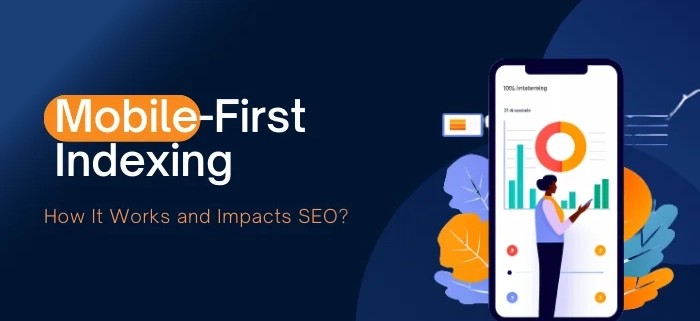
As mobile usage continues to dominate, Google’s mobile-first indexing is now the standard. This means Google predominantly uses the mobile version of your site for ranking and indexing. To stay competitive, businesses must evolve — and that’s where AI-driven SEO comes in.

At Business Trends, we specialize in combining artificial intelligence and modern SEO strategies to help your business thrive in the mobile-first era.

What is Mobile-First Indexing?

Mobile-first indexing means that Google evaluates the mobile version of your website to determine how it should rank in search results — not the desktop version. If your mobile site is slow, unresponsive, or lacks structured content, your rankings could suffer.

Business Trends helps you ensure that your mobile website meets the highest technical and content standards, so you’re fully prepared for Google’s mobile-first expectations.

How AI Enhances SEO for Mobile-First Indexing

Artificial intelligence transforms how we approach mobile SEO. Here’s how:

Predictive User Behavior

AI tools help analyze mobile user behavior, allowing us to craft personalized content that matches intent, device use, and location — a service offered as part of our SEO strategies at Business Trends.

Content Compression Without Losing Quality

AI can optimize images and media for mobile, ensuring fast load times and better engagement — critical for mobile rankings and user retention.

Automated Technical Audits

Business Trends uses AI-powered crawlers to quickly identify mobile usability issues, broken links, slow-loading pages, and poor layout on mobile devices.

Voice & Local Search Optimization

With mobile devices driving most voice searches, our AI-driven tools help optimize for near mesearches, conversational keywords, and local business visibility.

Best Practices for AI-Optimized Mobile SEO

  • Use responsive design that works across all screen sizes
  • Improve Core Web Vitals for mobile users
  • Implement structured data with AI to enhance content understanding
  • Create content using AI insights to align with real-time mobile behavior
  • Use internal linking wisely — like pointing users to digital marketing trends or SEO best practices

Why This Matters for Ranking

Google’s algorithm now prioritizes the mobile experience, making it a foundational part of your SEO strategy. With Business Trends’ AI SEO services, your mobile presence will be faster, smarter, and optimized for search — keeping you ahead of the competition.

To understand Google’s perspective on this shift, see their official mobile-first indexing guide — a trusted source for staying compliant with best practices.

AI SEO Services for Mobile from Business Trends

Whether you’re optimizing your local presence, boosting mobile speed, or implementing voice search strategies, Business Trends provides cutting-edge solutions to make your mobile site perform at its best.

Ready to take the next step? Contact us to learn how we can tailor your SEO strategy for mobile-first success.

Frequently Asked Questions (FAQs)

1. What is AI SEO for Mobile-First Indexing?
AI SEO for Mobile-First Indexing uses artificial intelligence to optimize websites specifically for Google’s mobile-first indexing approach, ensuring better rankings on mobile search results.

2. Why is mobile-first indexing important for my website?
Google now primarily uses the mobile version of your website for ranking and indexing. A mobile-optimized site is essential to maintain and improve your search visibility.

3. How does AI improve mobile SEO?
AI analyzes user behavior, automates technical audits, optimizes content and images, and enhances voice and local search strategies tailored for mobile users.

4. What mobile SEO factors does Business Trends focus on?
We prioritize responsive design, fast loading times, core web vitals, structured data, and user experience to align with mobile-first indexing requirements.

5. Can AI SEO help with voice and local searches on mobile?
Yes, AI tools help optimize for conversational queries and local searches, which are increasingly common on mobile devices.

6. How can I get started with AI SEO for mobile-first indexing?
Contact Business Trends to schedule a consultation, and we’ll develop a tailored AI SEO strategy to improve your mobile search performance.

7. Does AI SEO replace traditional SEO methods?
AI SEO complements traditional SEO by adding automation and deeper data insights, making optimization faster and more precise.

8. How often should I update my mobile SEO strategy with AI?
It’s recommended to review and update your mobile SEO strategy every 3-6 months, as AI tools and search algorithms continuously evolve.

9. What role does site speed play in mobile-first indexing?
Site speed is critical. AI helps identify and fix performance issues to ensure fast loading times, which greatly impact mobile rankings.

10. Is mobile-first indexing only about design?
No, it also includes content parity, structured data, and overall user experience on mobile devices.

The Future of AI in SEO

The Future of AI in SEO: How Artificial Intelligence is Shaping Search Optimization

As artificial intelligence (AI) continues to advance, its impact on SEO is becoming more profound than ever. At Business Trends, we recognize that the future of SEO is now intertwined with AI-driven tools and strategies, transforming how businesses optimize content and engage with search engines.

What Does AI Mean for the Future of SEO?

AI technologies enable search engines to understand user intent better, analyze content context, and deliver highly relevant results. This shift means that traditional SEO tactics, such as keyword stuffing, are becoming obsolete, while quality content, user experience, and semantic relevance take center stage.

At Business Trends, we keep up with the latest SEO trends to help your business stay competitive in this evolving landscape.

Key AI Trends Impacting SEO

AI-Powered Search Algorithms

Search engines are increasingly leveraging AI algorithms to interpret queries, personalize results, and identify high-quality content. This requires SEO strategies that focus on natural language, topical depth, and user engagement.

Content Optimization with AI

AI tools assist in generating, optimizing, and analyzing content performance. Leveraging AI-powered content creation can improve relevance and help rank higher.

Voice and Visual Search

The rise of voice assistants and image recognition means SEO must adapt to include conversational keywords and visual content optimization.

How to Prepare Your SEO Strategy for AI

  • Focus on User Intent: Create content that directly answers users’ questions and solves their problems.
  • Enhance Content Quality: Use clear, structured formats like headings and bullet points to improve readability.
  • Optimize for Semantic Search: Use related terms and context to help AI understand your content better.
  • Use Internal Linking Wisely: Connect your pages with relevant anchor texts such as “digital marketing trends” and “SEO best practices” to improve site authority and user navigation.

Explore our detailed SEO Services to get expert help with AI-focused optimization.

Conclusion

The future of SEO lies in leveraging AI technologies that enhance search accuracy and user satisfaction. At Business Trends, we help businesses adapt their SEO strategies for the AI era through quality content, semantic optimization, and intelligent internal linking. If you’re ready to optimize your strategy with AI-driven insights, contact us today to get started.

Frequently Asked Questions (FAQs)

1. What is the Future of AI in SEO?
The future of AI in SEO involves advanced algorithms, machine learning, and natural language processing that improve search accuracy, understand user intent, and rank content based on relevance rather than just keywords.

2. How is AI changing traditional SEO practices?
AI is shifting SEO away from keyword-heavy strategies toward user-centric, intent-based content. It prioritizes semantic search, content quality, and real-time user behavior over outdated ranking tactics.

3. Why is AI important in SEO today?
AI improves search engines’ ability to deliver accurate, personalized results. It also helps marketers analyze trends, automate content optimization, and improve visibility across voice, image, and text-based search.

4. How can my business benefit from AI-powered SEO?
AI helps your business create smarter, more relevant content that ranks better. It also streamlines keyword research, competitor analysis, and content strategy — saving time and improving ROI.

5. What is Generative Engine Optimization (GEO)?
GEO is a new SEO approach focused on optimizing content for AI-generated answers, like those seen in Google’s AI Overview or ChatGPT. It emphasizes clear, expert-driven, and helpful content.

6. Does Business Trends offer AI-driven SEO services?
Yes! At Business Trends, we offer SEO services that incorporate AI tools and insights to help your business stay competitive in evolving search environments.

7. How can I get started with AI SEO for my business?
Simply contact us, and our team will help you develop an AI-powered SEO strategy tailored to your goals.

8. Will AI replace SEO experts in the future?
AI will enhance, not replace, SEO experts. While AI automates analysis and optimization tasks, human expertise is still crucial for strategy, creativity, and understanding audience needs.

9. How does AI affect keyword research?
AI tools can analyze large volumes of search data to identify user intent, trending topics, and related terms — making keyword research faster, smarter, and more accurate.

AI and Machine Learning in SEO

AI and Machine Learning in SEO – Smarter Strategies with Business Trends

Transforming SEO with Artificial Intelligence and Machine Learning

AI and machine learning in SEO are redefining how websites are optimised, ranked, and discovered online. As Google becomes more sophisticated in understanding content and user intent, SEO strategies must evolve with it.

At Business Trends, we help businesses in Pakistan and beyond stay ahead by implementing AI-powered SEO solutions that align with modern ranking algorithms and drive real business growth.

What is AI and Machine Learning in SEO?

Artificial Intelligence (AI) and Machine Learning (ML) refer to computer systems that learn from data and make intelligent decisions. When applied to SEO, these technologies:

  • Analyse search patterns and user behaviour
  • Predict keyword opportunities
  • Automate on-page and technical optimisations
  • Personalise content based on audience intent
  • Continuously improve through real-time data feedback

This leads to more brilliant, faster, and more effective SEO strategies for websites and e-commerce platforms alike.

Benefits of Using AI and ML in SEO

Whether you’re a startup or an enterprise brand, here’s how AI-driven SEO gives your site an edge:

  • More innovative Keyword Research – Identify high-intent, low-competition keywords using AI-powered insights
  • Content Optimisation at Scale – Generate and optimise metadata, blog posts, and product descriptions using NLP
  • Faster Technical Audits – Find and fix crawl issues, page speed errors, and broken links using automated AI crawlers
  • Predictive SEO – Use ML to forecast keyword trends and plan content that ranks ahead of competitors
  • Personalised Search Experiences – AI can tailor content to user segments, improving engagement and conversion rates

Want to see this in action? Explore our SEO Services in Pakistan to learn how we apply AI to real campaigns.

How We Use AI for Client SEO at Business Trends

We integrate machine learning tools and AI-driven platforms across every phase of your SEO campaign, including:

  • Keyword research and clustering
  • Competitor gap analysis
  • Automated content audits
  • AI-generated content briefs
  • Schema markup creation
  • Internal linking optimisation

Our full-service Digital Marketing Services include AI SEO solutions tailored to your niche and business goals.

Why Google Uses AI—and Why You Should Too

Google’s core algorithm uses AI models like RankBrain and BERT to understand search intent and context better—not just keywords. This means your SEO content needs to be human-focused and semantically rich to perform well.

For more insights, read this Google Search Central article on AI and SEO best practices – a reliable source from Google itself.

FAQs: AI and Machine Learning in SEO

1. What is the role of AI in SEO?

AI in SEO helps automate keyword research, content optimization, and technical audits by using data-driven algorithms. It enhances your ability to rank for user intent-based searches faster and more efficiently.

2. How does machine learning improve SEO performance?

Machine learning in SEO analyzes search behavior over time, predicts ranking trends, and helps refine strategies based on real-time performance data—leading to smarter, adaptive SEO campaigns.

3. Is AI SEO better than traditional SEO methods?

AI SEO enhances traditional SEO by speeding up tasks, reducing manual effort, and using predictive data to make smarter decisions. It doesn’t replace human strategy but augments it for better results.

4. Can AI tools create SEO content?

Yes. AI tools can generate content outlines, product descriptions, and even full blog posts using natural language processing (NLP). However, human editing ensures quality, tone, and SEO alignment.

5. Is using AI-generated content safe for SEO according to Google?

Yes—as long as the content is helpful, original, and not Spam. Google has stated in its official AI content guidelines that high-quality AI-generated content is acceptable if it adds value to users.

AI SEO for E-Commerce Sites

AI SEO for E-Commerce Sites: Boost Rankings and Drive Sales

In today’s hyper-competitive digital marketplace, AI-powered SEO for e-commerce sites is no longer a luxury—it’s a necessity. As online stores grow more data-driven and search engine algorithms evolve, leveraging artificial intelligence in SEO helps e-commerce businesses rank higher, attract qualified traffic, and increase conversions.

At Business Trends, we offer advanced AI SEO services that align with Google’s evolving ranking systems, ensuring your e-commerce store stays ahead of the curve.

Why AI SEO Is Critical for E-Commerce Success

Search engines are more intelligent—and more human—than ever. Google’s algorithms now use AI (like RankBrain and BERT) to understand user intent, site structure, and content relevance. AI SEO helps e-commerce sites:

  • Predict high-converting keywords based on user behaviour and trends
  • Automate on-page optimisation like meta tags, product descriptions, and schema markup
  • Improve site structure for crawlability and user experience
  • Personalise product recommendations to boost sales and engagement
  • Optimise images and videos for faster loading and visual search

How AI Enhances E-Commerce SEO Performance

Keyword Prediction & Search Intent Matching

AI tools analyse millions of search queries and shopping behaviours to identify long-tail keywords that align with purchase intent. This allows for better category page optimisation and product page SEO.

Dynamic Content Optimisation

AI algorithms update and A/B test product descriptions, headlines, and meta tags in real-time. This ensures your content always aligns with the most effective SEO strategies, especially during high-traffic periods like sales or holidays.

Technical SEO Automation

AI crawlers detect broken links, duplicate content, and crawl errors across thousands of product pages—automatically suggesting fixes to maintain your technical SEO health.

AI SEO Tools We Use at Business Trends

We use a blend of proprietary AI tools and trusted platforms like:

  • Surfer SEO
  • SEMrush AI Assist
  • MarketMuse
  • ChatGPT for SEO copywriting
  • DeepCrawl for technical health audits

Our Digital Marketing Services are tailored specifically for e-commerce businesses looking to scale with AI automation and intelligent search optimisation.

Real Results from AI SEO for E-Commerce

Clients who switch to our AI-enhanced SEO strategies often see:

  • Up to 3X increase in organic traffic
  • Lower bounce rates and higher time-on-site
  • Improved conversion rates from product pages
  • Better visibility in Google Shopping and featured snippets

Our results-driven approach ensures your e-commerce store grows sustainably.

AI SEO Benefits for E-Commerce Categories & Product Pages

AI helps optimise:

  • Category pages: with dynamic keyword clustering and internal linking
  • Product pages: by improving description uniqueness and integrating rich schema
  • Blog & resource content that supports SEO for related product queries

Explore our Content Marketing Services to learn how we use AI-generated content to improve topical authority for e-commerce niches.

Ready to Scale Your Online Store with AI SEO?

Whether you run a Shopify, WooCommerce, or custom e-commerce site, our AI SEO strategies can help you rank higher, reach more customers, and increase ROI. Contact Business Trends today to start your journey toward intelligent e-commerce growth.

FAQs: AI SEO for E-Commerce Sites

1. What is AI SEO for e-commerce sites?

AI SEO for e-commerce sites refers to using artificial intelligence tools and algorithms to improve search engine rankings, automate SEO tasks, and optimise content for better visibility and conversions in online stores.

2. How does AI improve SEO for online stores?

AI enhances e-commerce SEO by analysing user behaviour, predicting keyword trends, automating content optimisation, improving site structure, and personalising search experiences for higher engagement and sales.

3. Can AI SEO help increase product page rankings?

Yes, AI-powered SEO can optimise product descriptions, titles, schema markup, and internal linking—helping product pages rank higher and attract more targeted traffic.

4. Is AI SEO better than traditional SEO methods?

AI SEO doesn’t replace traditional SEO—it enhances it. With automation and data-driven insights, AI makes SEO faster, more scalable, and better aligned with user intent, especially for large e-commerce sites.

5. Which e-commerce platforms support AI SEO tools?

AI SEO can be implemented on major platforms like Shopify, Woo-commerce, Magenta, Big-commerce, and custom-built online stores using integrations and plugins.

AI SEO Tools for Voice Search

AI SEO Tools for Voice Search

With the rise of smart assistants like Google Assistant, Siri, and Alexa, voice search is rapidly becoming the future of how people find information online. Unlike traditional keyword-based searches, voice queries are long-tail, conversational, and intent-driven — which means businesses need to rethink their SEO strategy.

At Business Trends, we help companies adapt to this shift using the latest AI-powered SEO tools designed specifically for voice search optimization. This page is part of our growing AI Overview series, where we cover cutting-edge technologies in SEO and AI.

Top AI Tools for Voice Search SEO

Here are the best tools to help your website rank for voice-based queries and natural language searches:

ToolFeaturesBest For
SEMrush Voice Search TrackerTracks voice search rankings, provides data on featured snippets, and long-tail queriesBusinesses focused on local SEO and mobile traffic
Writesonic + Jasper.aiAI content generation tailored for conversational tone and voice search intentAgencies or content teams producing at scale
Frase + Surfer SEONLP + content briefs optimized for long-form and question-based contentWebsites targeting informational voice queries
Keyword Tool.ioGenerates question-style keywords used in voice searchesKeyword research and content strategy
Murf.aiTurns text into realistic, multi-language voiceovers; enhances accessibility and UXBrands wanting to deliver audio/voice experiences

Best Practices for AI Voice Search Optimization

To fully leverage AI tools, combine them with these best practices:

  • Use Conversational Language: Structure content around natural questions like “How can I…”, “What is the best way to…”

  • Add FAQs with Schema Markup: Implement Google’s voice-friendly structured data for better voice assistant compatibility

  • Focus on Mobile UX & Speed: Voice searches mostly come from mobile devices—ensure your site is fast and mobile-optimized

  • Structure Content Clearly: Use headers, bullet points, and short paragraphs to help AI and search engines understand your content

  • Build Internal Linking Authority:

How Business Trends Support Voice Search SEO

As a trusted name in Pakistan’s digital ecosystem, Business Trends is helping businesses stay ahead with AI-driven SEO strategies that work in both traditional search and AI-generated results.

Our tailored SEO services ensure you’re optimized for how users search today — whether by typing or speaking. Learn more on our SEO services page.

You may like More Informational Topics:

Trusted External Resource

For deeper technical implementation, refer to Google’s voice-friendly structured data guide – a reliable and official source trusted by SEO professionals worldwide.

Final Thoughts

Optimizing for voice search is no longer optional — it’s a strategic advantage. By using AI SEO tools like SEMrush, Frase, Jasper, and Murf.ai, and combining them with voice search–friendly content strategies, your business can capture more traffic, boost engagement, and future-proof its online presence.

Want to lead the voice search revolution?
📞 Contact Business Trends for a consultation today.

Frequently Asked Questions (FAQs)

1. What are AI SEO tools for voice search optimization?

AI SEO tools for voice search optimization are software platforms that use artificial intelligence to help websites rank better for spoken queries made through voice assistants like Siri, Google Assistant, and Alexa. They focus on natural language processing (NLP), long-tail keywords, and user intent.

2. Why is voice search important for SEO in 2025?

Voice search is growing rapidly, especially on mobile and smart home devices. In 2025, optimizing for voice means capturing traffic from users asking real-life questions, which traditional keyword SEO may miss. It also increases your chances of appearing in AI-generated answers and featured snippets.

3. Which are the best AI tools for voice SEO?

Some top AI SEO tools for voice optimization include SEMrush Voice Search Tracker, Frase, Jasper.ai, Writesonic, Surfer SEO, and Murf.ai. These tools help with conversational content, keyword research, and content structure tailored for voice-based queries.

4. How do I optimize my content for voice search?

To optimize for voice search, use conversational language, question-based headings, and clear, concise answers. Implement FAQ schema, speed up your mobile site, and use tools like Jasper.ai or Frase to structure AI-optimized content.

5. Can voice search help with local SEO rankings?

Yes, voice search plays a major role in local SEO. Many users ask questions like “Where is the nearest…?” or “Best service near me.” By optimizing for voice queries with location-specific content and AI-driven local SEO tools, your business can rank higher in local results.

6. Is schema markup important for voice SEO?

Absolutely. Schema markup helps search engines understand your content better. Implementing FAQ, Q&A, and How-To schema increases your chances of being featured in voice assistant results and rich snippets.

7. How can Business Trends help with voice SEO?

Business Trends offers expert SEO services focused on the latest AI and voice search strategies. We help businesses implement AI tools, create voice-optimized content, and structure their websites to rank in both traditional and voice-based search results.

How to Start a Tech Startup in Pakistan

How to Start a Tech Startup in Pakistan in 2025

Starting a tech startup in Pakistan in 2025 presents a wealth of opportunities. With a rapidly digitizing population, government support, and growing investor interest, the landscape has never been more promising. At BusinessTrends, we guide aspiring entrepreneurs through every step of launching a successful tech venture—ensuring your startup is visible, fundable, and scalable in today’s competitive market.

Identify a Problem and Build a Tech-Driven Solution

The first step is to identify a real-world problem and create a scalable tech solution. This could be in fintech, e-commerce, edtech, or logistics. Start with market research and feasibility analysis.

Need help building your online presence? Our website development services can help bring your vision to life.

Register Your Startup Legally

Get your business legally registered through SECP as a private limited company and obtain your NTN. Setting a strong legal foundation builds investor trust and protects your business.

Explore our business consultation services to guide your legal and financial setup.

Create a Digital Presence

Your digital presence is key to startup success. Create a professional website, optimized for both users and search engines.

Leverage our SEO services to help your tech startup rank on Google and attract organic traffic.

Build Your MVP (Minimum Viable Product)

Don’t wait to perfect your idea—build and test a basic version quickly. A simple app or website is enough to gather feedback and iterate.

Our UI/UX design services help ensure your product is user-friendly from day one.

Market Your Startup Effectively

Use digital marketing to build awareness, generate leads, and drive growth. Social media, paid ads, and content marketing are key.

Start with digital marketing services tailored to startups.

Join Incubators and Accelerators

In 2025, tech zones and incubators will continue to provide mentorship, funding access, and workspaces. Look for local options and government-led innovation programs.

Stay updated on startup-friendly initiatives through our business insights.

Scale Your Operations

Once you achieve product-market fit, it’s time to scale. Optimize operations, hire the right team, and expand to new markets.

For scalable backend and cloud solutions, explore our tech infrastructure consulting.

Final Thoughts

Pakistan is entering a golden era for tech startups. If you take the proper steps in 2025—build the right product, invest in digital visibility, and leverage local support—you can launch a successful and sustainable venture. With expert guidance and digital solutions from BusinessTrends, your startup journey can begin with confidence and clarity.

Frequently Asked Questions (FAQs)

Q1: What is the first step to starting a tech startup in Pakistan?
A: The first step is identifying a real-world problem and validating a tech-based solution. Once validated, you can start building a Minimum Viable Product (MVP) and register your business.

Q2: Do I need to register my tech startup in Pakistan?
A: Yes, registering your startup with SECP and obtaining an NTN from FBR is essential for legal operations and gaining investor trust.

Q3: How can BusinessTrends help my tech startup grow?
A: BusinessTrends offers services such as website development, SEO, digital marketing, and business consultation to help you launch and scale your startup effectively.

Q4: Are there government grants or incubators available in 2025?
A: Yes, programs like NICs and special technology zones offer mentorship, funding opportunities, and infrastructure support for tech startups in Pakistan.

Q5: What industries are most promising for tech startups in Pakistan?
A: In 2025, sectors like fintech, e-commerce, health tech, edtech, and logistics are showing high growth and investment potential in Pakistan.

Q6: Do I need technical skills to start a tech startup?
A: While technical knowledge is helpful, it’s not mandatory. You can build a team or work with digital partners like BusinessTrends to handle development and tech infrastructure.

Q7: How much does it cost to start a tech startup in Pakistan?
A: Startup costs can vary, but a basic tech startup in Pakistan may require anywhere between PKR 300,000 to PKR 1.5 million, depending on development needs, marketing, and team size.

Q8: How long does it take to launch a tech startup?
A: On average, it takes 3 to 6 months to go from idea to launch, including planning, product development, branding, and digital setup—especially with support from service providers like BusinessTrends.

Transforming Business Landscapes in Pakistan

Explore the Role of Fintech in Transforming Business Landscapes in Pakistan

In recent years, fintech in Pakistan has emerged as a game-changer for businesses of all sizes. By merging finance with innovative technology, fintech is revolutionizing how companies manage payments, access credit, automate operations, and serve customers. At Business Trends, we recognize the critical role fintech plays in reshaping the future of business, empowering companies to grow faster and operate more efficiently in an increasingly digital economy.

What is Fintech and Why Does it Matter?

Fintech—short for financial technology—refers to digital innovations that streamline financial services. These include:

  • Digital wallets and mobile banking apps
  • Peer-to-peer lending platforms
  • Blockchain and cryptocurrency solutions
  • Buy Now, Pay Later (BNPL) services
  • Automated accounting and invoicing tools

In Pakistan, the fintech wave is driven by increasing internet penetration, smartphone adoption, and a growing demand for convenient, secure financial solutions.

How Fintech is Transforming Businesses in Pakistan

Simplifying Payments and Transactions

Fintech enables faster, safer, and more convenient transactions through digital payment solutions. With platforms like Easypaisa and JazzCash, even small businesses can collect payments without traditional banking barriers.

Integrating payment solutions into your operations? Our financial consulting services can help you choose and implement the right tools.

Expanding Access to Finance for SMEs

One of the biggest challenges for SMEs in Pakistan is accessing credit. Fintech platforms are changing that by offering microloans, digital lending, and credit scoring based on non-traditional data.

Learn more about challenges faced by SMEs in Pakistan & how to overcome them.

Enhancing Financial Inclusion

Fintech is helping unbanked and underbanked populations participate in the formal economy. This expansion of financial inclusion benefits small businesses and gig economy workers across Pakistan.

Enabling Data-Driven Decision Making

Modern fintech tools provide businesses with real-time analytics on spending, cash flow, and financial forecasting. This supports smarter decisions and reduces risk.

Get expert help with data-backed strategy through our business consulting services.

Driving E-Commerce Growth

E-commerce is booming in Pakistan, and fintech is fueling it. With secure online payment gateways and easy refund options, fintech enables smoother buyer journeys and boosts conversions.

Want to grow your online presence? Explore our digital marketing solutions tailored for businesses in Pakistan.

Government and Regulatory Support for Fintech in Pakistan

The State Bank of Pakistan (SBP) and SECP have introduced frameworks to support digital payments, fintech startups, and digital banking. Initiatives like Raast (Pakistan’s instant payment system) are accelerating adoption.

For an authoritative overview, refer to this World Economic Forum report on fintech’s impact in emerging economies.

Future of Fintech in Pakistan

The fintech revolution is only beginning. With growing investor interest and government support, fintech is poised to:

  • Increase financial literacy
  • Promote cashless transactions
  • Foster innovation in banking and finance

Businesses that adopt fintech early will gain a competitive edge in operational efficiency, customer satisfaction, and profitability.

Final Thoughts

The role of fintech in transforming business in Pakistan is undeniable. Whether you’re a startup, SME, or established enterprise, leveraging fintech solutions can unlock new growth opportunities.

At Business Trends, we specialize in helping businesses adopt technology-driven financial tools that support sustainable expansion.

Contact us to learn how we can help your business go digital with the right fintech strategies.

1. What is fintech, and how is it changing businesses in Pakistan?

Fintech refers to financial technologies that simplify financial services, such as digital payments, mobile banking, microloans, and blockchain. In Pakistan, fintech is revolutionizing business operations by making transactions faster, more secure, and accessible for businesses of all sizes.

2. How can fintech improve payment systems for businesses?

Fintech enables businesses to accept secure digital payments via platforms like Easypaisa and JazzCash, eliminating the need for traditional banking. This makes transactions faster and more convenient, especially for small businesses.

3. What impact does fintech have on small and medium-sized businesses (SMEs)?

Fintech helps SMEs by providing access to digital lending, microloans, and alternative credit scoring, which are usually not available through traditional banks. This enables SMEs to secure financing for growth and expansion.

SMEs in Pakistan & How to Overcome Them

 SMEs in Pakistan & How to Overcome Them

Small and Medium Enterprises (SMEs) are the backbone of Pakistan’s economy, contributing nearly 40% to GDP and employing over 80% of the non-agricultural labor force. Yet, despite their critical role, SMEs in Pakistan face numerous challenges that hinder growth and sustainability. Understanding the evolving business trends within the local and global markets is essential for SMEs to adapt and stay competitive.

In this blog, we’ll explore the key challenges and practical solutions for SMEs—and how your business can thrive in Pakistan’s competitive landscape.

Limited Access to Finance

The Challenge:

Many SMEs struggle with obtaining credit due to strict banking regulations, lack of collateral, and a limited credit history. This financial gap restricts expansion, innovation, and operational stability.

How to Overcome:

  • Alternative Financing Options: Leverage non-banking financial institutions, microfinance, and fintech platforms offering SME-friendly loans.
  • Financial Consulting: Partnering with our financial services team can help you build strong documentation, improve creditworthiness, and explore viable funding options.

Lack of Digital Presence

The Challenge:

In today’s digital world, not having an online footprint means losing out on potential customers and growth opportunities. Many SMEs still rely on traditional marketing and outdated systems.

How to Overcome:

  • Digital Marketing for SMEs: From SEO to social media and paid campaigns, our digital marketing services are tailored to increase visibility and drive leads.
  • Website Development: Invest in a mobile-friendly, fast-loading website optimized for conversions.

Regulatory and Taxation Issues

The Challenge:

Unpredictable regulatory frameworks, frequent policy shifts, and complex tax structures make compliance difficult and costly for SMEs.

How to Overcome:

  • Business Consulting: Stay updated and compliant with expert business advisory solutions tailored to your industry.
  • Government Resources: Utilize guides and tools from the SMEDA (Small and Medium Enterprises Development Authority)—an official source of SME support in Pakistan.

Talent Acquisition and Retention

The Challenge:

SMEs often lose skilled talent to large corporations offering higher salaries and perks. Finding the right people with the right skills can be a time-consuming and costly process.

How to Overcome:

  • Invest in HR Strategy: Create attractive growth paths, upskilling programs, and flexible work environments.
  • Use Technology: Automate recruitment processes with HR tools and platforms to quickly filter quality candidates.

Limited Market Reach

The Challenge:

SMEs tend to operate within localized markets, with limited expansion strategies or export capabilities.

How to Overcome:

  • Market Expansion Strategies: Conduct feasibility studies and market analysis to identify growth opportunities.
  • Export Readiness Programs: Collaborate with organizations like the Trade Development Authority of Pakistan (TDAP) for international market exposure.

Final Thoughts

SMEs in Pakistan face an uphill battle—but with the proper support, tools, and strategies, they can scale successfully. At Business Trends, we help SMEs navigate these obstacles through a full suite of business growth services, including consulting, finance management, and digital transformation.

Are you ready to take your SME to the next level? Get in touch with our expert team today.

FAQs

Q1: What are the biggest challenges faced by SMEs in Pakistan?
A: SMEs in Pakistan face major challenges such as limited access to finance, lack of digital presence, regulatory hurdles, talent retention issues, and limited market reach.

Q2: How can SMEs in Pakistan get access to financing?
A: SMEs can explore microfinance institutions, government grants, fintech platforms, and seek expert help from financial consultants to improve credit access.

Q3: Why is a digital presence important for SMEs in Pakistan?
A: A strong digital presence helps SMEs reach more customers, build brand credibility, and compete more effectively in today’s online-driven market.

Q4: How can SMEs deal with complex tax and regulatory requirements?
A: SMEs can simplify compliance by partnering with business consultants who offer expert advice and help navigate Pakistan’s evolving regulatory landscape.

Q5: What role does Business Trends play in supporting SMEs?
A: Business Trends offers tailored services in business consulting, digital marketing, and financial strategy to help SMEs overcome challenges and grow sustainably.

Q6: Are there any government initiatives for SMEs in Pakistan?
A: Yes, organizations like SMEDA and the Trade Development Authority of Pakistan (TDAP) offer various programs and resources to support SME development.

Q7: What industries do most SMEs in Pakistan operate in?
A: Most SMEs in Pakistan operate in manufacturing, trade, services, agriculture, and textile sectors, contributing significantly to employment and GDP.

Q8: How can SMEs in Pakistan compete with larger businesses?
A: SMEs can compete by focusing on niche markets, adopting digital tools, offering personalized customer service, and improving operational efficiency.

Future of E-Commerce in Pakistan

Explore the Future of E-Commerce in Pakistan-2025

The future of e-commerce in Pakistan post-2025 is marked by rapid transformation, fueled by digital inclusion, government policy reforms, and increased smartphone penetration. With over 120 million internet users, Pakistan is becoming one of the most promising emerging markets for online retail.

At BusinessTrends, we help businesses navigate these changes with strategic insights, service support, and real-time updates on tech-driven commerce trends.

Key Drivers of E-Commerce Growth After 2025

Digital Payments & Fintech Integration

Cash-on-delivery (COD) is expected to decline post-2025 as digital wallets, Raaast (Pakistan’s instant payment system), and fintech startups gain consumer trust. Mobile banking is becoming the new norm across rural and urban areas.

Explore more in our Digital Transformation section.

Cross-Border E-Commerce Expansion

With policy improvements and relaxed trade restrictions, Pakistani sellers are beginning to access international markets through platforms like Amazon, Alibaba, and Daraz Global. Government-backed e-export facilitation centres are helping SMEs enter global markets.

Learn how SMEs are leveraging e-commerce for exports.

Government Policy and Regulatory Support

The E-Commerce Policy 2021 laid the foundation for a regulated online market. Now, post-2025, updated frameworks include:

  • Simplified digital tax filing
  • Mandatory seller registration via SECP
  • Stronger data privacy regulations
  • Logistics and warehousing incentives

Stay updated with government policy changes.

Growth of Mobile Commerce (mCommerce)

Mobile-first shopping is becoming dominant in Pakistan. With more than 70% of e-commerce traffic coming from mobile devices, businesses that optimise mobile user experience will lead the market post-2025.

Want to start your online business? See our business registration guide.

Challenges That Remain

Despite promising growth, some challenges persist:

  • Low digital literacy in rural regions
  • Logistical inefficiencies in remote areas
  • Consumer trust and fraud concerns
  • Lack of omnichannel infrastructure

We offer consulting services to help businesses tackle these challenges and scale confidently.

What Global Trends Mean for Pakistan

The global e-commerce market is set to cross $7 trillion by 2030, according to the UNCTAD eTrade Report. Pakistan’s growing digital infrastructure, combined with youth-driven demand, is positioning the country to benefit immensely from this surge.

Final Thoughts

The future of e-commerce in Pakistan post-2025 looks digital, mobile, and borderless. From fintech innovation to government-backed regulations, the ecosystem is set for explosive growth. Businesses that adapt early will lead the next wave of digital retail.

Explore more expert insights on the BusinessTrends home page.

Frequently Asked Questions (FAQs)

Q1: What is the future of e-commerce in Pakistan post-2025?

A: E-commerce in Pakistan is expected to grow rapidly after 2025 due to increased digital payments, mobile commerce, and supportive government policies.

Q2: Will digital payments replace cash-on-delivery in Pakistan?

A: Yes, with fintech adoption and systems like RAAST, digital wallets and mobile banking are increasingly replacing cash-on-delivery.

Q3: How are government policies supporting e-commerce in 2025 and beyond?

A: The government has introduced digital tax systems, seller registration via SECP, and incentives for logistics and cross-border trade.

Q4: Can Pakistani businesses sell internationally through e-commerce?

A: Yes, with relaxed trade rules and platforms like Amazon and Alibaba, more Pakistani sellers are now reaching global customers.

Q5: What are the main challenges for e-commerce growth in Pakistan?

A: Key challenges include low digital literacy, weak logistics in rural areas, and consumer trust issues with online payments.

Q6: How is mobile commerce shaping the future of online shopping in Pakistan?

A: Over 70% of e-commerce traffic now comes from mobile devices, making mobile-first design essential for online retailers post-2025.

Q7: Where can I find guidance on starting an e-commerce business in Pakistan?

A: You can explore expert resources and support through BusinessTrends consulting services.

Q8: Is Pakistan ready for a digital retail revolution after 2025?

A: Yes, with rising internet usage, fintech growth, and supportive regulations, Pakistan is well-positioned for a digital retail boom post-2025.