China has officially launched the first Hangor class submarine crafted for Pakistan, marking a significant milestone in the strategic partnership between the two nations. This momentous event underscores the deepening ties and collaborative efforts in defense and maritime security.
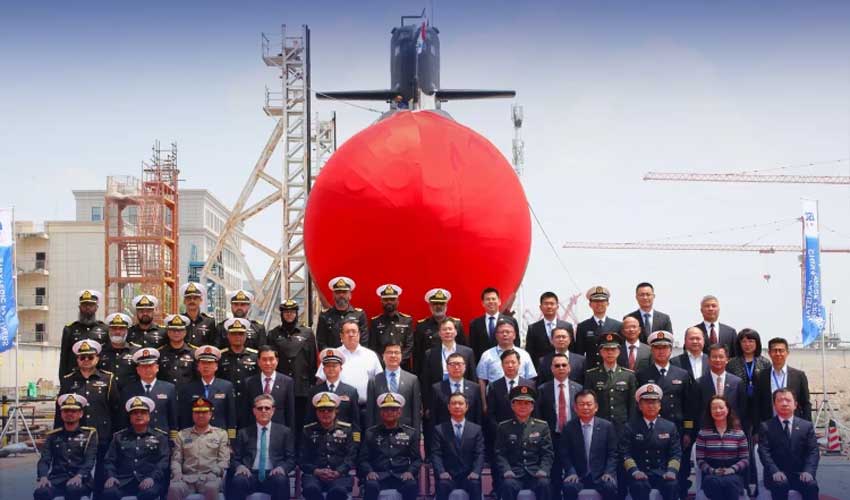
 

China launches first Hangor class submarine made for Pakistan

The Hangor class submarine, equipped with cutting-edge technology and advanced capabilities, represents a tangible manifestation of the strong cooperation between China and Pakistan in bolstering the latter’s naval capabilities. With its sleek design and formidable features, the submarine is poised to enhance Pakistan’s maritime prowess and contribute to regional stability.

The launch ceremony, held with great fanfare and attended by dignitaries from both countries, symbolizes the commitment to mutual support and shared objectives. It underscores the collaborative spirit driving the defense partnership between China and Pakistan, which extends beyond mere transactions to strategic collaboration and joint development.

As the first of its kind, the Hangor class submarine stands as a testament to the growing synergy between China’s technological prowess and Pakistan’s defense requirements. It exemplifies the success of bilateral cooperation in the realm of defense manufacturing and underscores the role of such partnerships in fostering regional security and stability.

Moving forward, the deployment of the Hangor class submarine will serve as a powerful symbol of Pakistan’s naval strength and its commitment to safeguarding its maritime interests. It also highlights the growing role of indigenous defense production in meeting the evolving security challenges facing the region.

In conclusion, the launch of the Hangor class submarine represents a significant milestone in the strategic partnership between China and Pakistan, reaffirming their commitment to advancing mutual interests and bolstering regional security.

Pakistan-Iran border to promote cross-border trade and investment. These zones would offer incentives for businesses to set up operations and engage in bilateral trade activities.The establishment of a joint economic commission between Pakistan and Iran is being considered to further enhance cooperation in trade and investment. This commission would serve as a platform for regular dialogue and collaboration on economic matters.

Joint Economic Commission

The establishment of a joint economic commission between Pakistan and Iran is being considered to further enhance cooperation in trade and investment. This commission would serve as a platform for regular dialogue and collaboration on economic matters

Trade Agreement Signed

Pakistan and Iran have finalized a significant trade agreement aimed at boosting economic ties between the two neighboring countries. The agreement covers various sectors including agriculture, energy, and infrastructure.

Tariff Reductions

As part of the trade agreement, both Pakistan and Iran have agreed to reduce tariffs on certain goods to facilitate smoother trade flow. This move is expected to lower costs for businesses on both sides and encourage increased trade volume.

Customs Facilitation

Efforts are underway to streamline customs procedures at border crossings between Pakistan and Iran. The aim is to reduce delays and bottlenecks, making trade more efficient and cost-effective for businesses operating in the region.

New Trade Routes

Discussions are ongoing regarding the establishment of new trade routes between Pakistan and Iran, which could open up fresh opportunities for bilateral trade. These routes would not only connect major cities but also facilitate trade in remote border regions.

Investment Opportunities

Both countries are exploring investment opportunities in key sectors such as energy, manufacturing, and infrastructure development. This could lead to the creation of new job opportunities and economic growth in both Pakistan and Iran.

Joint Economic Commission

Both countries are exploring investment opportunities in key sectors such as energy, manufacturing, and infrastructure development. This could lead to the creation of new job opportunities and economic growth in both Pakistan and Iran.

Cross-Border Trade Zones

Plans are underway to establish special economic zones along the Pakistan-Iran border to promote cross-border trade and investment. These zones would offer incentives for businesses to set up operations and engage in bilateral trade activities.

Enhanced Connectivity

Efforts are being made to improve transportation and connectivity infrastructure between Pakistan and Iran, including road, rail, and air links. Enhanced connectivity will facilitate the movement of goods and people, further strengthening bilateral trad.

Important developments in Pakistan and Iran trade

Trade Agreement Signed

Pakistan and Iran have finalized a significant trade agreement aimed at

boosting economic ties between the two neighboring countries. The agreement covers various sectors

including agriculture, energy, and infrastructure.

Tariff Reductions

As part of the trade agreement, both Pakistan and Iran have agreed to reduce

tariffs on certain goods to facilitate smoother trade flow. This move is expected to lower costs for

businesses on both sides and encourage increased trade volume.

Customs Facilitation

Efforts are underway to streamline customs procedures at border crossings

between Pakistan and Iran. The aim is to reduce delays and bottlenecks, making trade more efficient

and cost-effective for businesses operating in the region.

New Trade Routes

Discussions are ongoing regarding the establishment of new trade routes between

Pakistan and Iran, which could open up fresh opportunities for bilateral trade. These routes would

not only connect major cities but also facilitate trade in remote border regions.

Investment Opportunities

Both countries are exploring investment opportunities in key sectors such

as energy, manufacturing, and infrastructure development. This could lead to the creation of new job

opportunities and economic growth in both Pakistan and Iran.

Joint Economic Commission

The establishment of a joint economic commission between Pakistan and Iran

is being considered to further enhance cooperation in trade and investment. This commission would

serve as a platform for regular dialogue and collaboration on economic matters.


Cross-Border Trade Zones

Plans are underway to establish special economic zones along the

Pakistan-Iran border to promote cross-border trade and investment. These zones would offer incentives

for businesses to set up operations and engage in bilateral trade activities.

Enhanced Connectivity

Efforts are being made to improve transportation and connectivity

infrastructure between Pakistan and Iran, including road, rail, and air links. Enhanced connectivity

will facilitate the movement of goods and people, further strengthening bilateral trad

Pakistan and Iran share robust bilateral relations that have endured through the test of time.

The historical, cultural, and geographical bonds between these two nations have laid a solid

foundation for a strong partnership. Over the years, both countries have cooperated closely in

various fields, including trade, security, and regional stability.


Diplomatic ties between Pakistan and Iran have been characterized by mutual respect, undersnding,

and support. The leadership of both nations has consistently emphasized the importance of maintaining

and strengthening these ties for the benefit of their peoples and the broader.

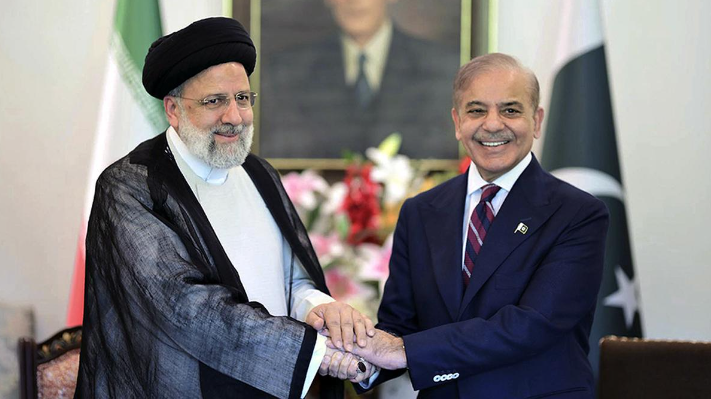
Iranian President Ebrahim Raisi meets President Asif Ali Zardari on April 22. — Foreign Office


Economically, Pakistan and Iran have sought to enhance cooperation through initiatives such as the

Iran-Pakistan gas pipeline and increasing bilateral trade. Both countries recognize the potential for

further economic collaboration and have taken steps to facilitate trade and investment between them.


In addition to economic cooperation, Pakistan and Iran have also worked together on regional issues,

particularly in promoting peace and stability in Afghanistan. Both countries have supported efforts

to find a peaceful resolution to the conflict in Afghanistan and have hosted discussions aimed at

fostering reconciliation and dialogue among Afghan stakeholders.


Culturally, Pakistan and Iran share deep historical and religious connections. The people of both

nations have a shared heritage that transcends borders and enriches their interactions. Cultural

exchanges, including visits by artists, scholars, and students, have further strengthened the bonds

between Pakistan and Iran.


Despite occasional challenges, the relationship between Pakistan and Iran remains resilient and

continues to grow stronger. Both countries are committed to deepening their cooperation and exploring

new avenues for collaboration in the years to come, guided by their shared interests and common

aspirations for peace and prosperity in the region.

In the realm of financial aid and social support, efficiency, transparency

, and accountability are paramount. The Biometrically Secured Identificati

on Program (BSIP) has taken a significant stride forward in these areas

with the launch of its E-procurement system for cash distribution.

This innovative approach aims to streamline the process of distributing

funds to beneficiaries while ensuring the highest standards of security

and reliability.


Benefits of E-procurement for Cash Distribution

Efficiency and Transparency

Traditional methods of cash distribution often involve cumbersome paperworlengthy processing times,

and a lack of visibility into the distribution process.

BSIP’s E-procurement system eliminates these inefficiencies by digitizing the entire process.

From application submission to fund disbursement, every step is recorded electronically, providing

stakeholders with real-time insights and updates.

By reducing the need for manual intervention and paperwork, E-procurement significantly cuts down on

administrative costs associated with cash distribution. With fewer resources required to manage the

process, organizations can allocate more funds directly to beneficiaries, maximizing the impact of

their assistance programs.


Reduction of Corruption and Fraud

One of the most significant advantages of E-procurement is its ability to mitigate the risk of

corruption and fraud. By implementing biometric authentication and robust security measures, BSIP

ensures that only legitimate beneficiaries


BSIP Launches E-procurement for Cash Distribution


In the realm of financial aid and social support, efficiency, transparency

, and accountability are paramount. The Biometrically Secured Identificati

on Program (BSIP) has taken a significant stride forward in these areas

with the launch of its E-procurement system for cash distribution.

This innovative approach aims to streamline the process of distributing

funds to beneficiaries while ensuring the highest standards of security

and reliability.


Benefits of E-procurement for Cash Distribution

Efficiency and Transparency

Traditional methods of cash distribution often involve cumbersome paperworlengthy processing times,

and a lack of visibility into the distribution process.

BSIP’s E-procurement system eliminates these inefficiencies by digitizing the entire process.

From application submission to fund disbursement, every step is recorded electronically, providing

stakeholders with real-time insights and updates.


Cost-effectiveness

By reducing the need for manual intervention and paperwork, E-procurement significantly cuts down on

administrative costs associated with cash distribution. With fewer resources required to manage the

process, organizations can allocate more funds directly to beneficiaries, maximizing the impact of

their assistance programs.


Reduction of Corruption and Fraud

One of the most significant advantages of E-procurement is its ability to mitigate the risk of

robust security measures

corruption and fraud. By implementing biometric authentication and , BSIP

ensures that only legitimate beneficiaries


The Pakistan Tehreek-e-Insaf (PTI) has raised serious concerns over the silence maintained by the Foreign Office (FO) regarding the recent warning issued by the United States regarding sanctions for engaging in business activities with Iran.

In a statement released today, PTI spokesperson expressed dismay over the lack of clarity and proactive communication from the FO regarding such a critical matter. The warning from the US carries significant implications for Pakistan’s economic interests and foreign relations, yet the FO’s silence only adds to the ambiguity surrounding the issue.

The PTI emphasized the need for transparency and clear communication from the government, especially on matters of international significance that could impact the country’s economic stability. With Pakistan striving to enhance its economic ties with various countries, including Iran, it is imperative for the government to provide guidance and reassurance to businesses and investors.

Furthermore, the PTI called upon the government to engage in diplomatic dialogue with the United States to address concerns and explore possible exemptions or waivers that could mitigate the adverse effects of potential sanctions. Ignoring or downplaying such warnings could lead to serious repercussions for Pakistan’s economy and diplomatic relations.

In conclusion, the PTI urged the Foreign Office to break its silence and provide the public with a comprehensive understanding of the situation, along with a clear strategy to address the implications of the US sanctions warning. Clarity, transparency, and proactive diplomacy are essential to safeguard Pakistan’s interests and ensure its continued economic growth and stability amidst evolving global dynamics.


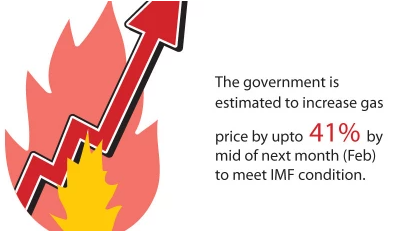
Government to Introduce New Gas Pricing Mechanism

Government to Introduce New Gas Pricing Mechanism

The Government to Introduce New Gas Pricing Mechanism. This approach will amalgamate the prices of domestically produced natural gas and imported RLNG (Regasified Liquefied Natural Gas) to determine the ultimate gas price. While this novel pricing model is anticipated to render gas more economical for consumers in Punjab, it may entail escalated costs for industries in Khyber Pakhtunkhwa, Sindh, and Balochistan.

In a significant breakthrough, the Mari Petroleum Company has announced a substantial gas discovery in Sindh. As per the company spokesperson, a gas well has been successfully drilled in the Mari Gasaj Formation field. Situated at a depth of 1,483 meters, the well is poised to yield approximately 10.5 million cubic feet per day (mmcfd) of gas.

Fresh Gas Reserve In Sajawal

This discovery follows in the footsteps of similar findings by other oil and gas firms in the region. OGDCL (Oil and Gas Development Company Limited) recently divulged a fresh gas reserve in Sajawal, Sindh, boasting an estimated 12.4 billion cubic meters of gas. This discovery, entirely owned by OGDCL, is forecasted to significantly fortify the country’s gas reserves.

Easypaisa Announces New BISP Payment Method

Easypaisa Announces New BISP Payment Method

Easypaisa Announces New BISP Payment Method Starting 29 April 2024.In a significant move to streamline social assistance payments, Easypaisa has announced that starting from 29 April 2024, it will implement a new payment method designed specifically for beneficiaries of the Benazir Income Support Programme (BISP). New bisp payment method,This new initiative aims to enhance the accessibility and efficiency of financial transactions for BISP recipients.

The new payment method is developed to ensure that the funds reach the intended recipients swiftly and securely, reducing the hassle and time previously experienced.

By integrating advanced security measures and user-friendly interfaces, Easypaisa seeks to provide a reliable and straightforward platform for the disbursement of support funds.

Easypaisa’s Commitment To Leveraging Technology

This change comes as part of Easypaisa’s commitment to leveraging technology for social good. It reflects their ongoing efforts to improve financial inclusion across the region and to support government initiatives aimed at aiding underprivileged sectors of society.

The introduction of this tailored payment solution is expected to significantly impact the ease with which BISP beneficiaries access their funds, thereby aiding their day-to-day financial management.

Avoid Any Interruptions

Easypaisa encourages all BISP beneficiaries to register with their service before the rollout date to ensure a smooth transition to the new system. Registration can be done through their mobile app, website, or by visiting any Easypaisa outlet. This step is crucial as it will help avoid any interruptions in receiving the monthly financial support provided by BISP.

For more detailed new bisp payment method information on how to register and transition to the new payment system, beneficiaries are advised to contact Easypaisa’s customer support or visit their nearest branch. This initiative is a step forward in making financial services more inclusive and accessible to all segments of the population, particularly those in dire need of support.

The Benazir Taleemi Wazaif Program, an initiative aimed at fostering educational opportunities in Pakistan, has recently announced a significant update that could greatly benefit its participants.

This new update reportedly includes a doubling of the payments previously disbursed under the program.

This adjustment is designed to better support students in their academic pursuits, acknowledging the rising costs associated with educational materials, transport, and other essential academic needs.

The doubling of payments under the Benazir Taleemi Wazaif Program represents a proactive step by the government to ensure that financial constraints do not hinder the educational growth of its youth.

By enhancing the financial support, the program aims to increase school enrollment rates, reduce dropout rates, and ultimately foster a more educated and skilled workforce.

This update is particularly timely, considering the economic challenges that many families face, which can often limit educational opportunities for children, especially in less affluent areas.

With this increased financial support, students are more likely to afford the necessary resources to continue their education effectively.

Furthermore, the initiative aligns with broader educational reforms in the country, which seek to promote inclusive education by making it accessible to all socio-economic segments of society.

This approach not only benefits individual students and families but also contributes to the overall socio-economic development of the country.


It’s important for beneficiaries of the program to stay informed about how to apply for these new benefits and to understand any new criteria that might be associated with the increased funding. As such, interested individuals should refer to the official communications from the program’s administrators for detailed information on eligibility and application procedures.

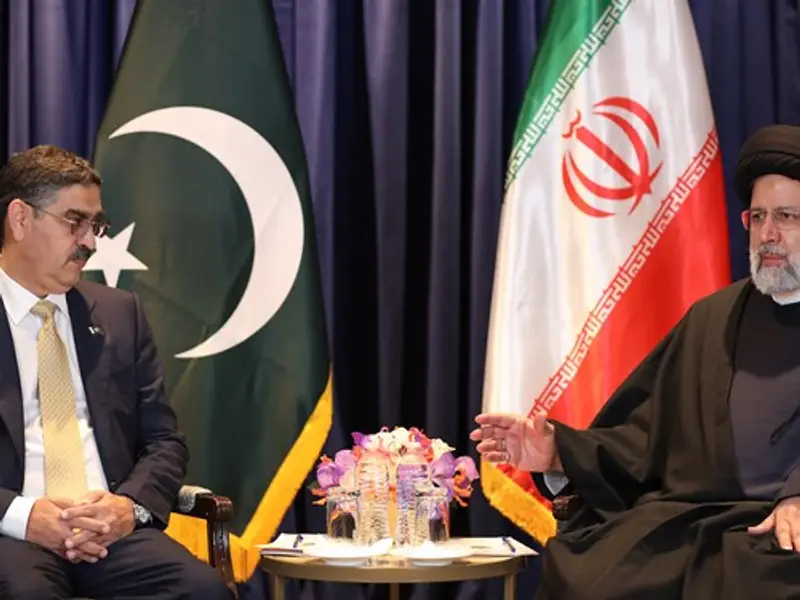
Ran’s President Ebrahim Raisi’s visit to Pakistan signifies a deepening of bilateral relations and holds significant implications for both countries.

Here are some compelling reasons behind Raisi’s visit

Bilateral Cooperation

President Ebrahim Raisi's visit to Pakistan

The foremost purpose of President Raisi’s visit is to strengthen bilateral cooperation between Iran and Pakistan. Both countries share historical, cultural, and religious ties, and Raisi’s visit underscores the commitment to further enhancing these relations across various sectors.

Trade and Economic Collaboration

Economic cooperation is likely a central focus of Raisi’s visit. Iran and Pakistan have considerable potential for trade and investment collaboration in areas such as energy, infrastructure development, agriculture, and manufacturing. Discussions during the visit may include exploring avenues to boost bilateral trade and remove barriers to investment.

Regional Stability and Security

Both Iran and Pakistan are key players in the stability and security of the region, particularly in light of developments in neighboring Afghanistan. Raisi’s visit provides an opportunity for discussions on regional security challenges, counterterrorism efforts, and strategies for promoting peace and stability in the broader region.
Energy Cooperation: Energy cooperation is a significant aspect of Iran-Pakistan relations, with projects such as the Iran-Pakistan gas pipeline (commonly known as the Peace Pipeline) being of mutual interest. Raisi’s visit may involve discussions on advancing energy projects and addressing any outstanding issues related to energy cooperation.

Cultural and People-to-People Exchange

Cultural diplomsacy plays a vital role in strengthening ties between nations. Raisi’s visit could include cultural events, exhibitions, and exchanges aimed at promoting greater understanding and appreciation of each other’s cultures, traditions, and heritage.

Regional Connectivity and Infrastructure Development

The visit may also focus on enhancing regional connectivity and infrastructure development initiatives. Iran and Pakistan have been involved in discussions regarding various transportation and connectivity projects, and Raisi’s visit could provide momentum to such endeavors.

conclusion

In essence, President Ebrahim Raisi’s visit to Pakistan underscores the shared commitment to deepening bilateral relations, promoting economic cooperation, addressing regional challenges, and fostering greater people-to-people exchanges between the two nations.