


World Hajj Pilgrims to Experience Flying Taxis in Saudi Arabia This Year
04 Jul 2026
World Hajj Pilgrims to Experience Flying Taxis and Drone Services in Saudi Arabia This Year
The annual Hajj pilgrimage, one of the five pillars of Islam, draws millions of Muslims from around the globe to the holy city of Mecca in Saudi Arabia. This year, pilgrims will witness groundbreaking advancements in transportation and technology, as Saudi Arabia introduces flying taxis and drone services to enhance the pilgrimage experience.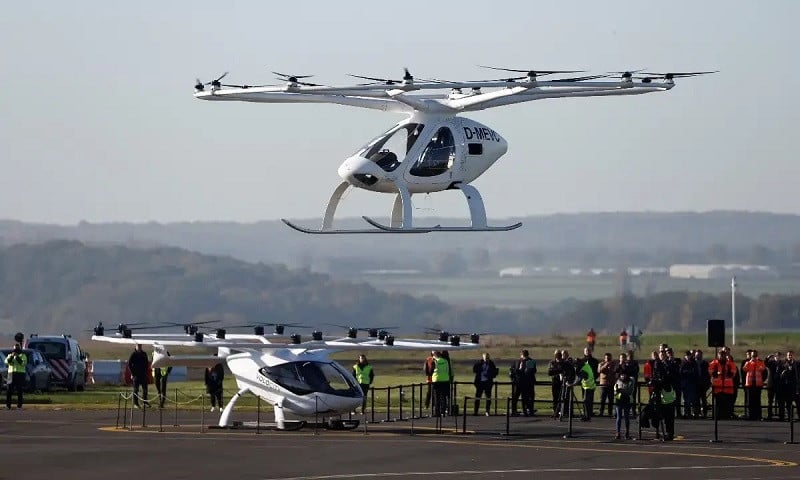 The Hajj pilgrimage holds immense spiritual significance for Muslims, as it represents an opportunity to cleanse oneself of sins and strengthen one's faith. However, the logistical challenges associated with accommodating such a massive influx of pilgrims have always been a concern for the Saudi authorities. In recent years, the kingdom has been leveraging technological innovations to streamline the pilgrimage process and ensure the safety and comfort of pilgrims.
One of the most anticipated developments is the introduction of flying taxis, which will provide pilgrims with a faster and more convenient means of transportation between key sites in Mecca and the surrounding areas. These electric-powered aerial vehicles, equipped with advanced navigation systems, will help reduce congestion on the ground and enable pilgrims to navigate the sprawling city with ease.
The flying taxis represent a significant milestone in the kingdom's efforts to modernize its transportation infrastructure and support its ambitious Vision 2030 goals. By embracing cutting-edge technologies like autonomous aerial vehicles, Saudi Arabia aims to position itself as a global leader in innovation and sustainability.
In addition to flying taxis, Saudi Arabia is also rolling out drone services to enhance security and crowd management during the Hajj pilgrimage. Equipped with high-resolution cameras and sensors, these drones will provide real-time monitoring of crowds and traffic flow, allowing authorities to respond swiftly to any emergencies or disruptions.
The deployment of drones underscores the kingdom's commitment to leveraging technology for the safety and security of pilgrims. By harnessing the power of aerial surveillance, Saudi authorities can effectively monitor the pilgrimage sites and ensure a smooth and orderly experience for all participants.
Moreover, the use of drones offers valuable data insights that can inform future planning and decision-making processes. By analyzing the information gathered from drone footage, authorities can identify patterns, optimize resource allocation, and improve overall pilgrimage management strategies.
The integration of flying taxis and drone services into the Hajj pilgrimage reflects Saudi Arabia's vision of embracing innovation while preserving the sacred traditions of Islam. These technological advancements not only enhance the pilgrimage experience but also contribute to the kingdom's economic growth and diversification efforts.
Furthermore, the introduction of flying taxis and drone services has the potential to revolutionize transportation and urban mobility beyond the Hajj season. As Saudi Arabia continues to invest in smart city initiatives, these innovations could pave the way for a more sustainable and efficient transportation ecosystem in the years to come.
However, with these advancements come certain challenges and considerations. Ensuring the safety and reliability of flying taxis is paramount, as any technical glitches or malfunctions could have serious consequences. Similarly, the use of drones raises concerns about privacy and surveillance, prompting the need for robust regulatory frameworks and ethical guidelines.
As Saudi Arabia prepares to welcome millions of pilgrims for the annual Hajj pilgrimage, the introduction of flying taxis and drone services marks a significant milestone in the kingdom's journey towards modernization and innovation. These technological advancements not only enhance the pilgrimage experience but also showcase the transformative power of technology in shaping the future of transportation and urban mobility.
The Hajj pilgrimage holds immense spiritual significance for Muslims, as it represents an opportunity to cleanse oneself of sins and strengthen one's faith. However, the logistical challenges associated with accommodating such a massive influx of pilgrims have always been a concern for the Saudi authorities. In recent years, the kingdom has been leveraging technological innovations to streamline the pilgrimage process and ensure the safety and comfort of pilgrims.
One of the most anticipated developments is the introduction of flying taxis, which will provide pilgrims with a faster and more convenient means of transportation between key sites in Mecca and the surrounding areas. These electric-powered aerial vehicles, equipped with advanced navigation systems, will help reduce congestion on the ground and enable pilgrims to navigate the sprawling city with ease.
The flying taxis represent a significant milestone in the kingdom's efforts to modernize its transportation infrastructure and support its ambitious Vision 2030 goals. By embracing cutting-edge technologies like autonomous aerial vehicles, Saudi Arabia aims to position itself as a global leader in innovation and sustainability.
In addition to flying taxis, Saudi Arabia is also rolling out drone services to enhance security and crowd management during the Hajj pilgrimage. Equipped with high-resolution cameras and sensors, these drones will provide real-time monitoring of crowds and traffic flow, allowing authorities to respond swiftly to any emergencies or disruptions.
The deployment of drones underscores the kingdom's commitment to leveraging technology for the safety and security of pilgrims. By harnessing the power of aerial surveillance, Saudi authorities can effectively monitor the pilgrimage sites and ensure a smooth and orderly experience for all participants.
Moreover, the use of drones offers valuable data insights that can inform future planning and decision-making processes. By analyzing the information gathered from drone footage, authorities can identify patterns, optimize resource allocation, and improve overall pilgrimage management strategies.
The integration of flying taxis and drone services into the Hajj pilgrimage reflects Saudi Arabia's vision of embracing innovation while preserving the sacred traditions of Islam. These technological advancements not only enhance the pilgrimage experience but also contribute to the kingdom's economic growth and diversification efforts.
Furthermore, the introduction of flying taxis and drone services has the potential to revolutionize transportation and urban mobility beyond the Hajj season. As Saudi Arabia continues to invest in smart city initiatives, these innovations could pave the way for a more sustainable and efficient transportation ecosystem in the years to come.
However, with these advancements come certain challenges and considerations. Ensuring the safety and reliability of flying taxis is paramount, as any technical glitches or malfunctions could have serious consequences. Similarly, the use of drones raises concerns about privacy and surveillance, prompting the need for robust regulatory frameworks and ethical guidelines.
As Saudi Arabia prepares to welcome millions of pilgrims for the annual Hajj pilgrimage, the introduction of flying taxis and drone services marks a significant milestone in the kingdom's journey towards modernization and innovation. These technological advancements not only enhance the pilgrimage experience but also showcase the transformative power of technology in shaping the future of transportation and urban mobility.