


New Decline of Solar Panel Prices in Pakistan 2024
by
Nadeem Ahmed
04 Jul 2026
The Decline of Solar Panel Prices in Pakistan 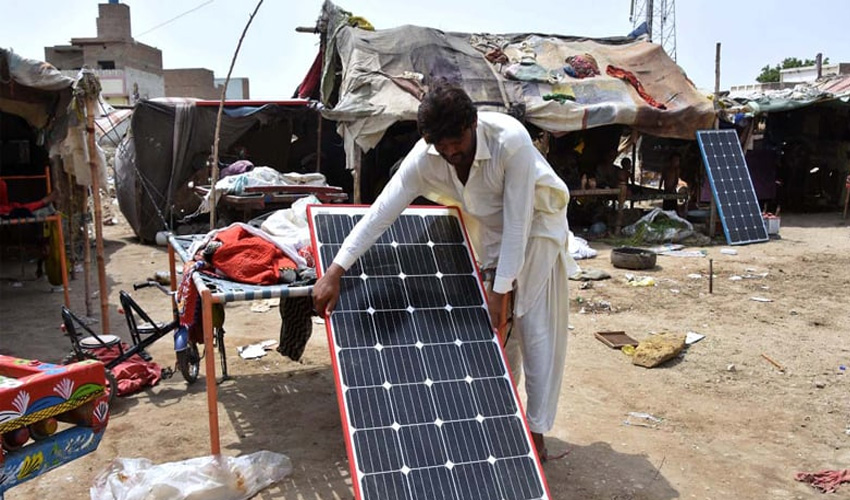
Introduction
In recent years, Pakistan has been witnessing a remarkable shift towards renewable energy sources, with solar power leading the charge. A significant contributor to this transition has been the steady decline in solar panel prices, making solar energy more accessible and economically viable for both residential and commercial consumers. This article explores the factors driving the fall in solar panel prices in Pakistan and the implications for the country's energy landscape.Factors Driving the Decline in Solar Panel Prices Several factors have contributed to the downward trend in solar panel prices in Pakistan
Technological Advancements
The rapid advancements in solar panel technology have led to increased efficiency and reduced manufacturing costs. Innovations such as thin-film solar cells and improved manufacturing processes have significantly lowered the overall production costs, making solar panels more affordable. Economies of Scale As the demand for solar panels has surged globally, manufacturers have scaled up production, benefiting from economies of scale. Bulk production has enabled manufacturers to negotiate better deals on raw materials and streamline their manufacturing processes, resulting in cost savings that are passed on to consumers.Government Incentives
The Pakistani government has introduced various incentives and subsidies to promote renewable energy adoption, including solar power. These incentives include tax breaks, net metering policies, and grants for solar installations. By reducing the financial barriers associated with solar panel installations, these incentives have fueled demand and contributed to the decline in prices.Global Market Trends
Solar panel prices are influenced by global market trends, including fluctuations in raw material prices, currency exchange rates, and competition among manufacturers. Factors such as oversupply, particularly in markets like China, have led to price wars among manufacturers, driving down prices worldwide.Implications for Renewable Energy Adoption: The falling prices of solar panels have significant implications for renewable energy adoption in Pakistan:
Increased Affordability
Lower solar panel prices make solar energy more affordable for a broader segment of the population, including residential homeowners, businesses, and industrial consumers. This affordability encourages more significant investments in solar energy systems, leading to widespread adoption and reduced reliance on fossil fuels.Energy Security
Pakistan has been grappling with energy shortages and dependence on imported fossil fuels, which pose significant challenges to its energy security. The transition to solar energy reduces the country's reliance on imported fuels, enhances energy independence, and mitigates the risks associated with volatile global oil prices.Environmental Benefits
Solar energy is clean, renewable, and environmentally friendly, producing minimal greenhouse gas emissions compared to conventional fossil fuels. The widespread adoption of solar power in Pakistan can contribute to reducing carbon emissions, mitigating climate change, and improving air quality, leading to a more sustainable future.Economic Growth
The solar energy sector presents significant opportunities for economic growth, job creation, and investment in Pakistan. The expansion of solar infrastructure stimulates economic activity, attracts foreign investment, and creates employment opportunities across the solar value chain, from manufacturing and installation to maintenance and servicing.Conclusion
The decline in solar panel prices in Pakistan represents a significant milestone in the country's transition towards renewable energy and sustainable development. By making solar power more accessible and cost-effective, these falling prices pave the way for greater renewable energy adoption, energy security, and environmental sustainability. However, to realize the full potential of solar energy, continued policy support, investment, and public awareness are essential. With the right strategies and investments, Pakistan can harness the power of the sun to build a brighter, cleaner, and more prosperous future for all.
Tags: